Gardening is an increasingly popular pastime that is undergoing a transformation now that more people are aware of the importance of native plants. Our native insects are unable to feed on most of the European or Asian plants typically sold in most big box garden centers. We need to restore our natural food webs by restocking our gardens with the native plants they need for feeding and breeding. Helping create a healthy ecosystem is why people are so excited about our upcoming native plant sale!
There are many benefits to gardening beyond restoring the ecosystem and the obvious appeal of colorful plants in your yard. Being out in the fresh air and sunshine is good for your health, and regular digging, raking, and weeding gives you a modest workout. Many people find gardening to be therapeutic and relaxing, and a reflective way of dealing with grief or stress. Being out in the garden also makes you appreciate the changing of the seasons, and having a yard filled with plants means you always have something to look forward to. Our colorful spring ephemeral woodland wildflowers give way to summer blooms teeming with butterflies and bees. In turn, the deep browns and burgundies of grasses and dogwoods in fall are replaced by snow-covered hollies in winter.
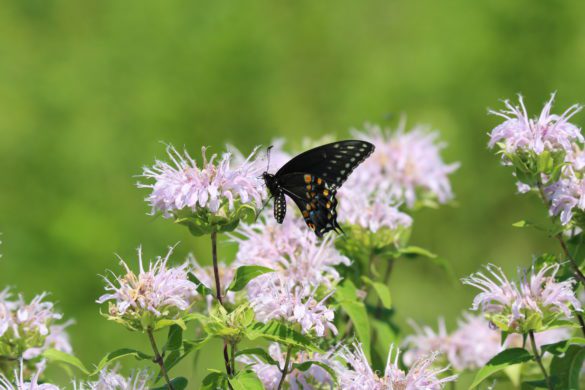
Swallowtail butterfly on wild bergamot
Still, I’ve often thought gardening brings you a deeper connection with life than just your hand in the land. Here are 5 life lessons I have learned through gardening.
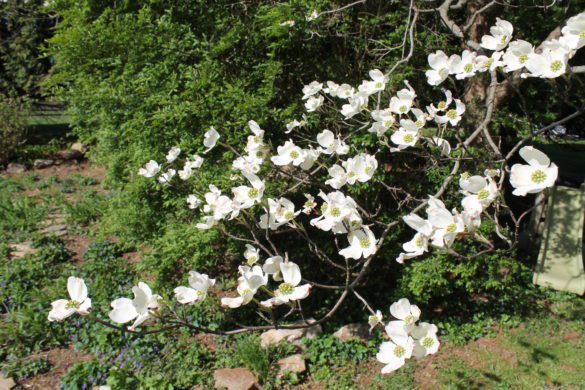
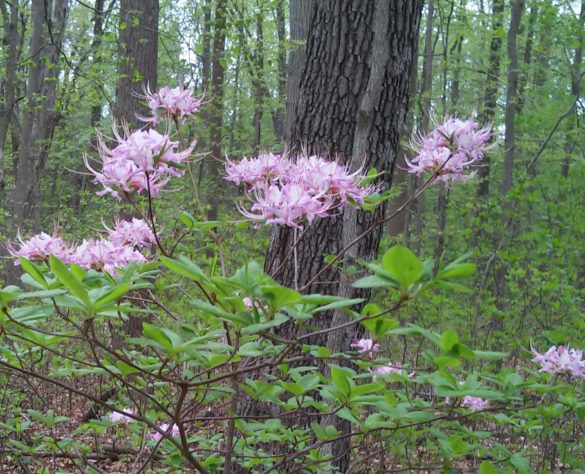
Start. Nothing comes from nothing. If you have always wanted to have a garden but never got round to it, stop by our sale and buy the plant you find the most attractive. You might plant a pink pinxter bloom because it reminds you of a friend or relative who was colorful and exuberant. You might plant a flowering dogwood because it brings back happy memories of playing in the one that was in your parents’ garden. Or maybe you just like the way a certain plant looks. Regardless, once you see how well your first wildflower or tree is coming along you will want to plant more. You will almost certainly want to try a whole range of plants of different sizes, shapes, colors, and flowering times. Before you know it, you will be a gardener!
Flowering dogwoodPinxter bloom
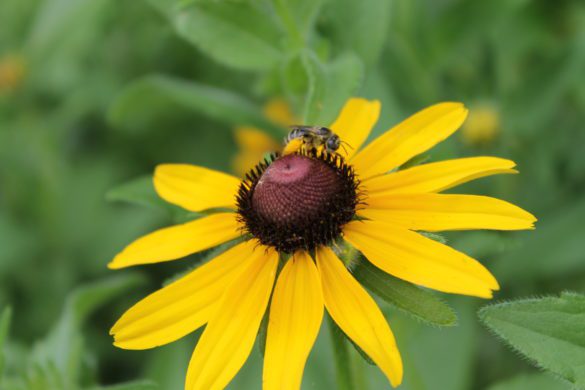
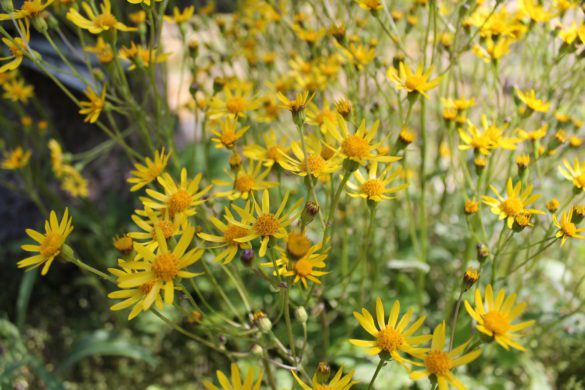
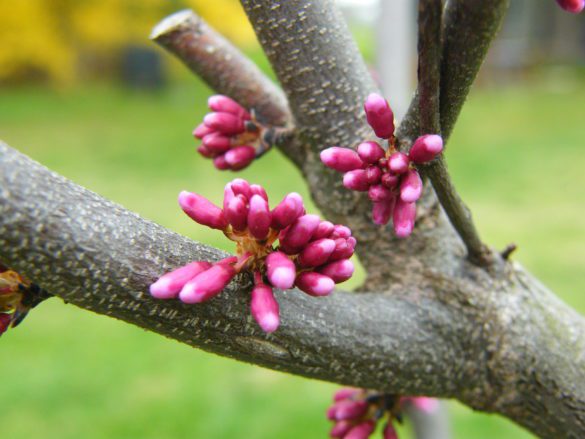
You don’t have to be especially good at something to enjoy it. There are many professional gardeners at the Delaware Nature Society and neighboring establishments such as Gateway Gardens, Longwood Gardens and Mt Cuba Center. However, you don’t need to be an expert to enjoy plants. Wildflowers, shrubs and trees smell just as sweet and look just as attractive regardless of how much you know about them. If you are a beginner gardener, we sell several striking native plants that are easy to grow and maintain and will provide many years of pleasure. This includes three of our most popular wildflowers, black-eyed Susan, golden ragwort, and purple coneflower. Reliable low-maintenance shrubs and trees include azaleas and oakleaf hydrangea, and eastern redbud and dogwoods.
Black-eyed Susan with pollinator beeGolden ragwortEastern redbud
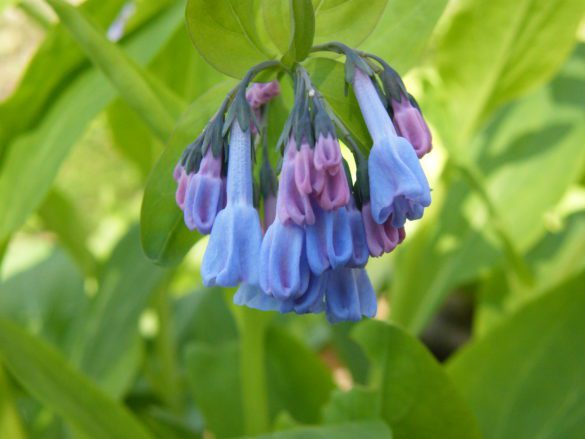
Better late than never. Some native spring wildflowers or woodies have already flowered or have passed their peak, but it is still worth planting them. They keep their leaves for months which provides a steady supply of food for several native caterpillars or other insects. All the wildflowers in our sale are perennial, meaning that they will flower next spring and probably the spring after that too. Shrubs and trees planted well past spring will provide flowers and fruit for many years to come. This is why our fall plant sale is proving just as popular as our spring sale!
Virginia bluebell
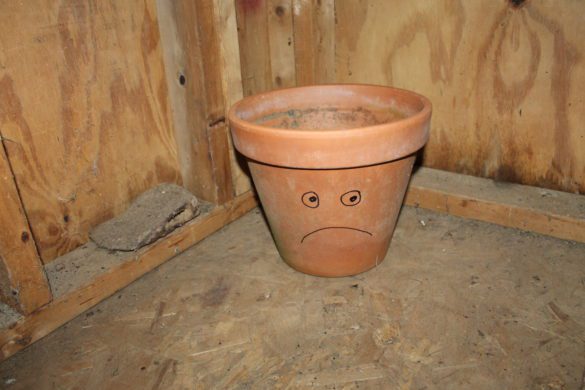
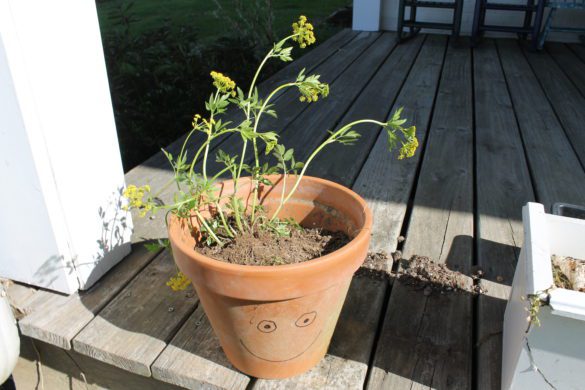
Leave nothing in the shed. An empty pot left in the shed is no use to any human, plant, or animal. It would be better to throw in some potting soil and one of our low maintenance wildflowers or seeds, then stick it in a sunny corner of your yard or porch. That one plant may be the perfect place for a butterfly to lay her eggs or a feeding bee. If you really don’t have time or space, give your lonely pots to friends or neighbors. Maybe that one pot is the spark they need to start their own garden!
An empty pot left in the shedThe same pot with a golden Alexander
There will always be too much to do. This is a quote from time management guru Oliver Burkeman that also applies to gardening. It may sound negative but accepting that your garden will never be perfect frees you from the stress of trying to achieve this. There will always be more weeds to pull or invasive plants to control. You will never have enough time, money, or space to grow all the flowers, shrubs, and trees you would like. But that’s okay. Just do what you can with the resources you have then relax and enjoy the results.
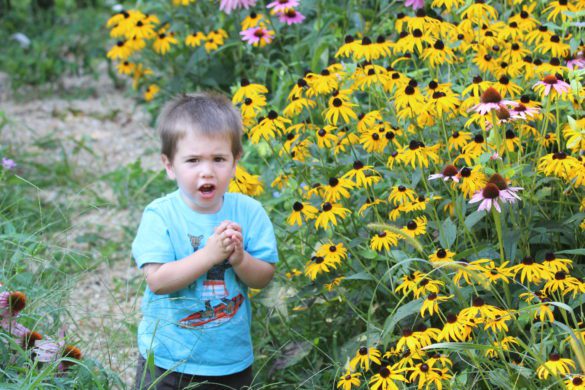
Boy enjoying garden