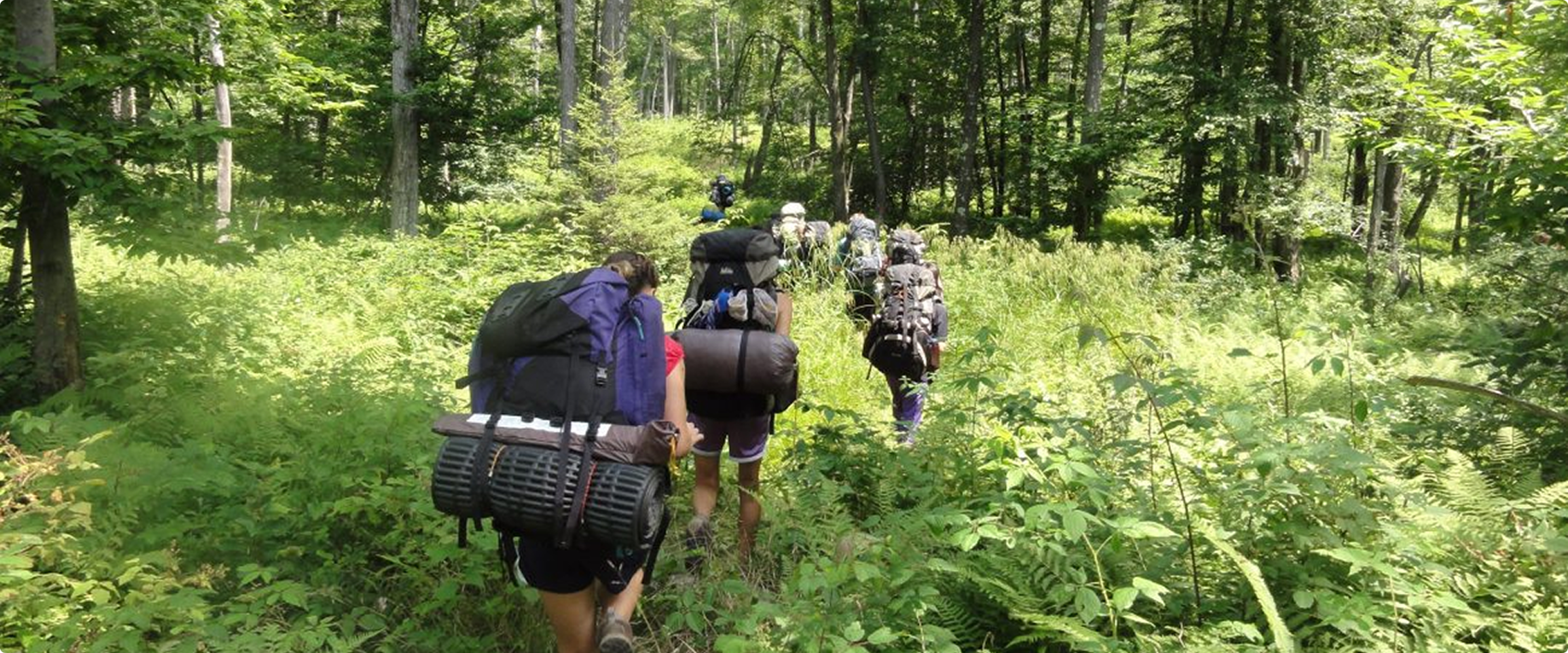
Commitment to Conservation
Delaware Nature Society’s (DelNature’s) conservation programs protect the lands, habitats, and waters that make Delaware special. High-quality forests, meadows, wetlands, and waterways are more than just scenic landscapes. They are living systems that support biodiversity, protect against climate change, and offer essential spaces for people to learn, connect and rejuvenate.
Working with volunteers and diverse partners our conservation efforts extend from revitalizing urban spaces to stewarding expansive nature preserves. We manage preserves and sites that are regional models of conservation management, ecological restoration and education.
Managing Land for
Biodiversity
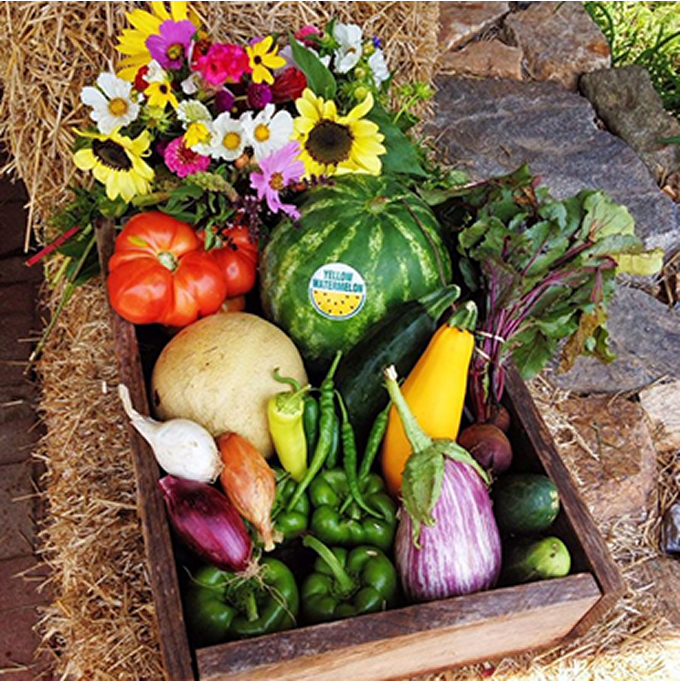
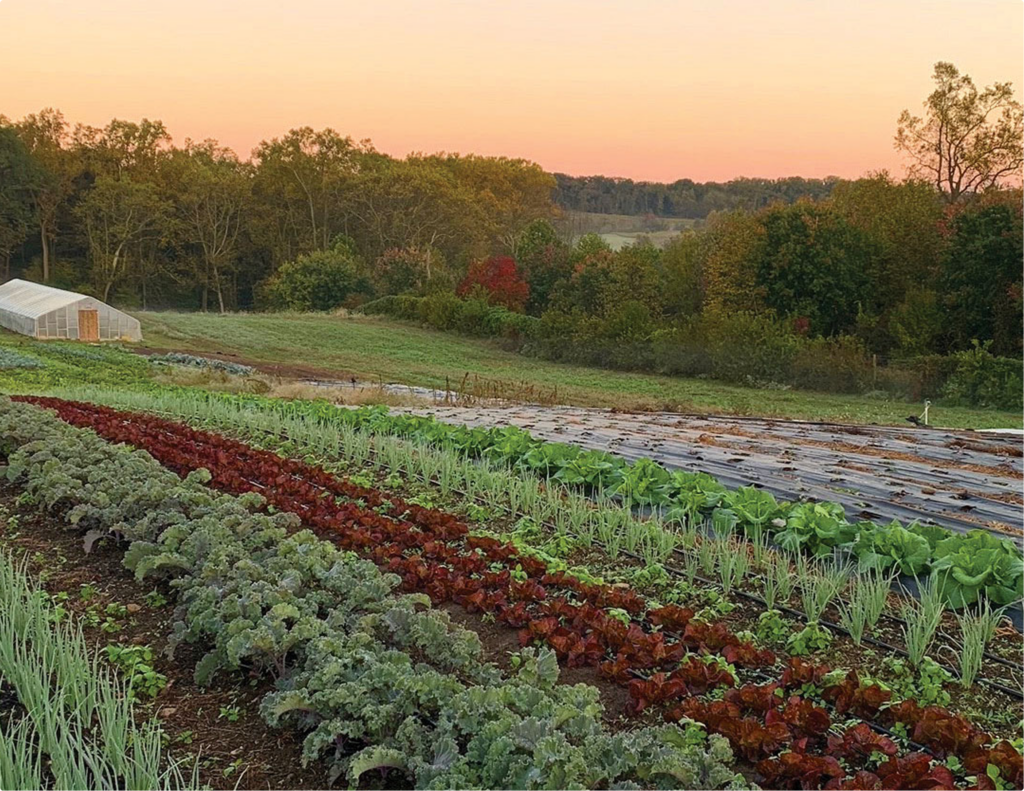
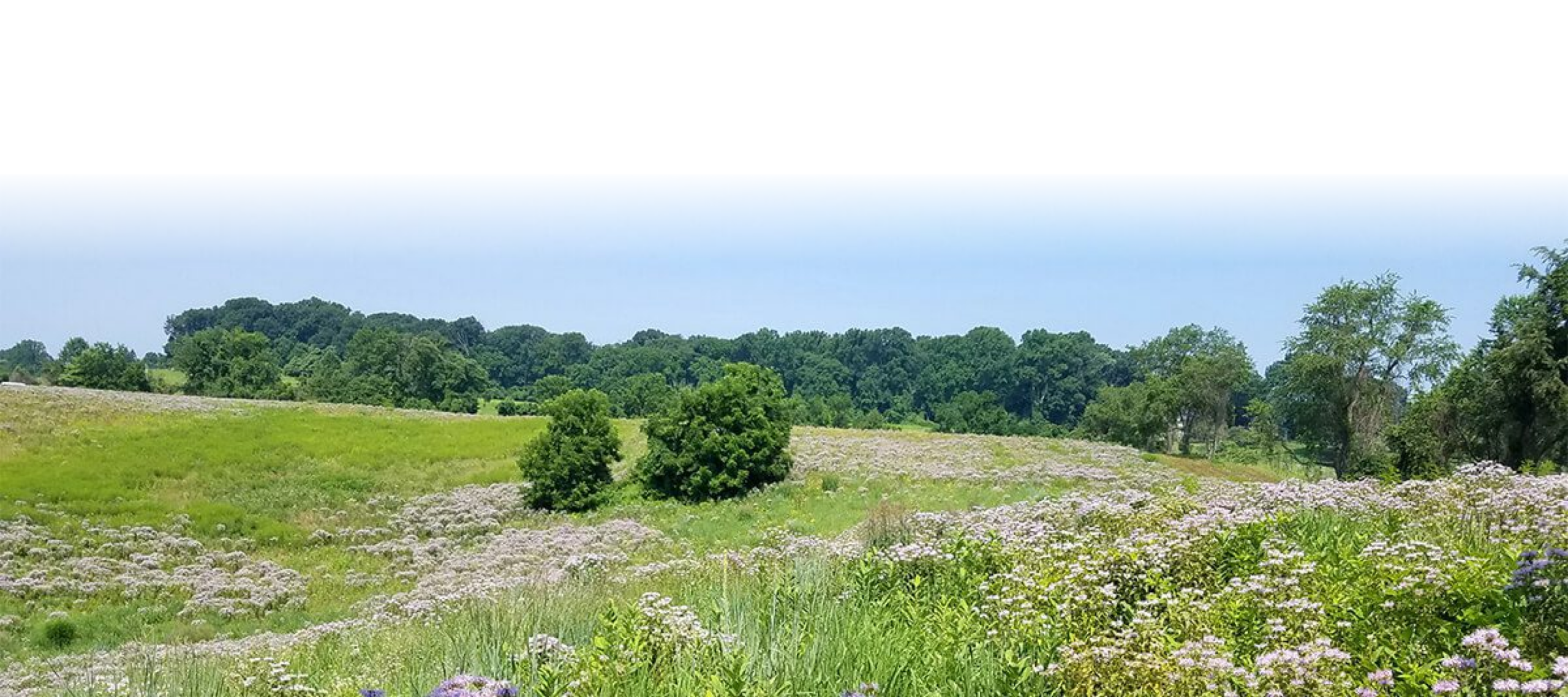
Across the state, DelNature manages nearly 2,000 acres for ecosystem health and biodiversity. Our stewardship includes removing non-native invasive plants, restoring forests and meadows, and promoting biodiversity through science-based land management. At Coverdale Farm Preserve, we practice regenerative techniques that improve both natural and working lands. By integrating conservation principles into agriculture, we protect the land, promote soil health, and provide nutritious food for local communities.
Preserving for the
Future
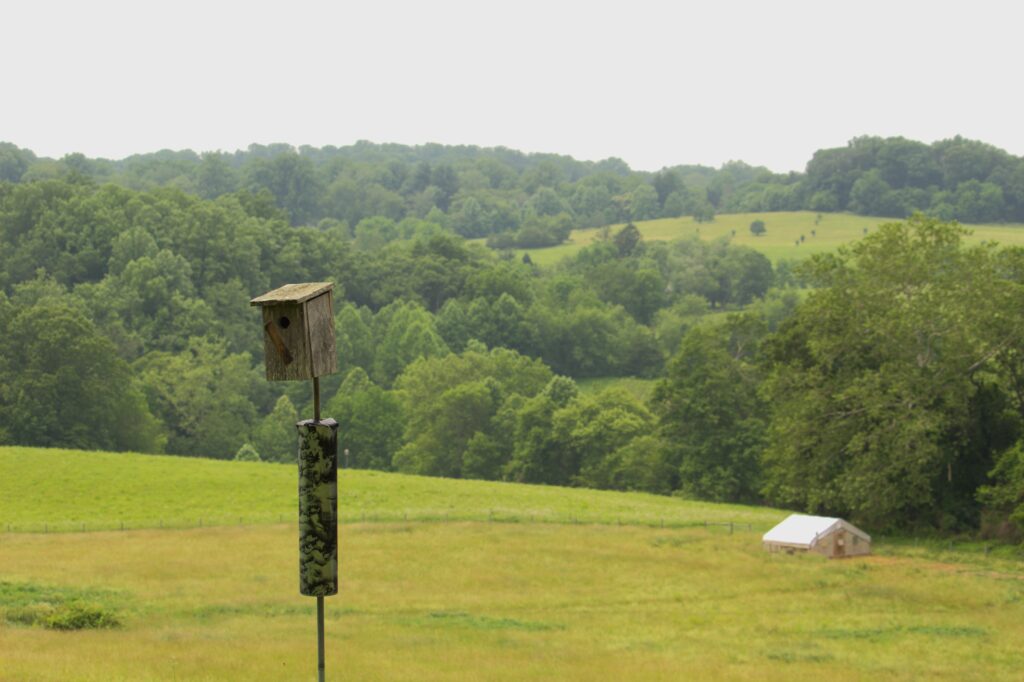
Preserving open space protects water, air, and wildlife while providing places for people to explore and connect with nature. Whether it’s birding at Abbott’s Mill, hiking at Ashland, or enjoying a sunset at Coverdale, protected lands keep Delaware’s natural beauty alive for generations.
Stewarding Habitats and Wildlife
Gardening for Water and Wildlife
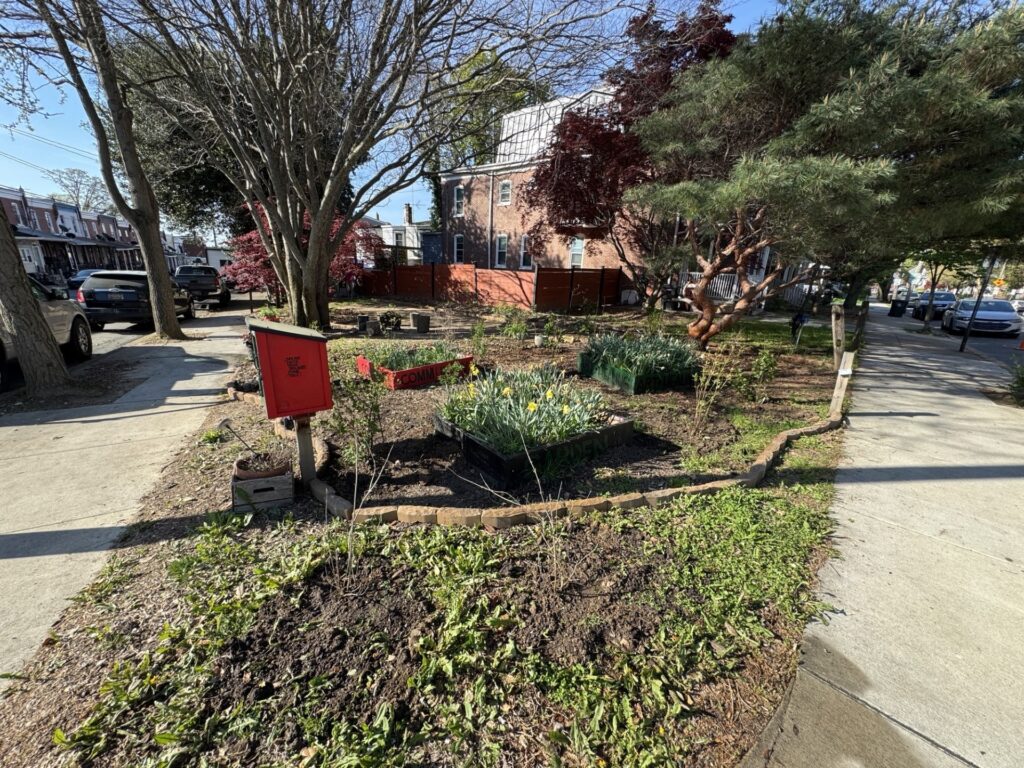
From small window boxes to large habitat corridors, DelNature creates opportunities for everyone to enjoy and support wildlife near where they live, work, learn, and play. Spaces from small to large can host wildlife like birds and pollinators, filter and clean water, and sometimes grow food for people as well.
Bird Conservation
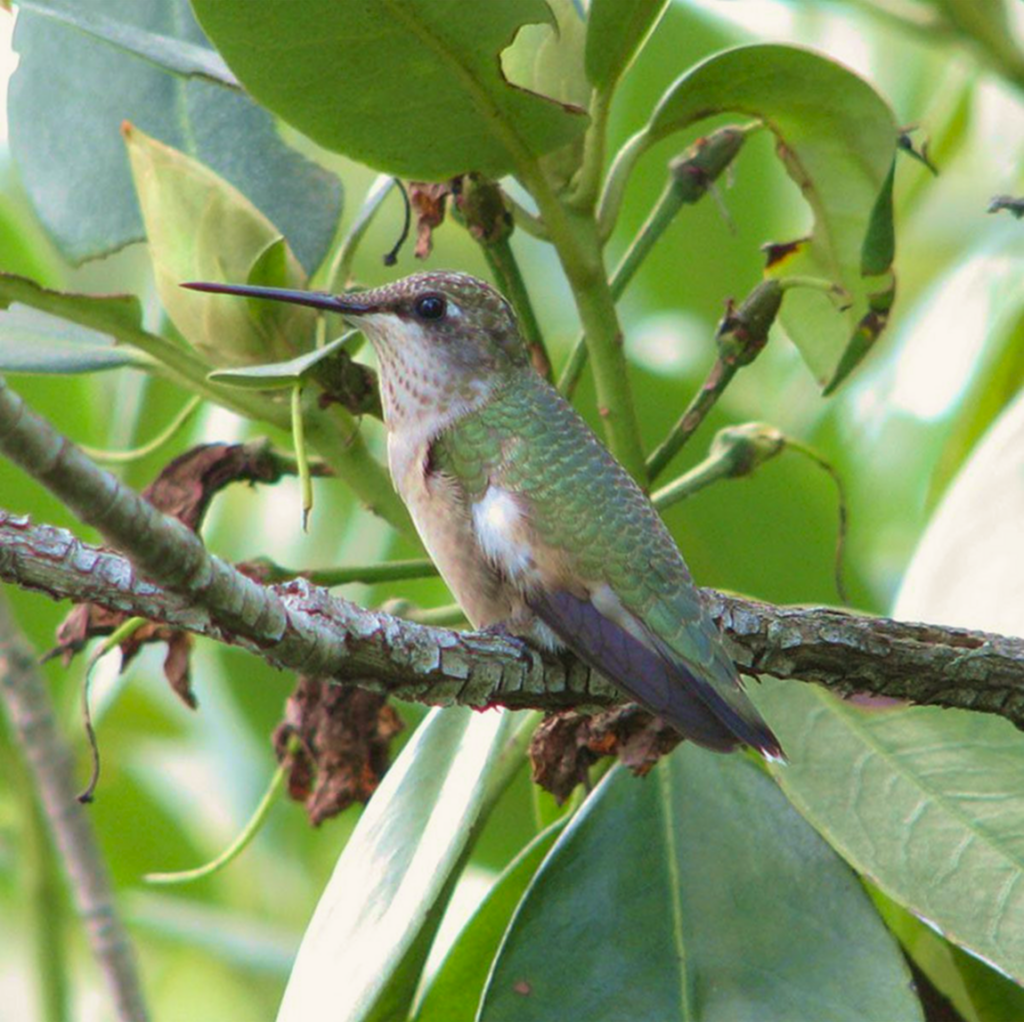
Across North America, many bird populations are experiencing a steady or even drastic decline due to habitat loss, invasive species, and climate change. DelNature is actively working to protect and restore habitat for birds and other wildlife while engaging both children and adults in activities and experiences to foster a lifelong appreciation and stewardship for birds and their habitats.
Protecting Pollinators
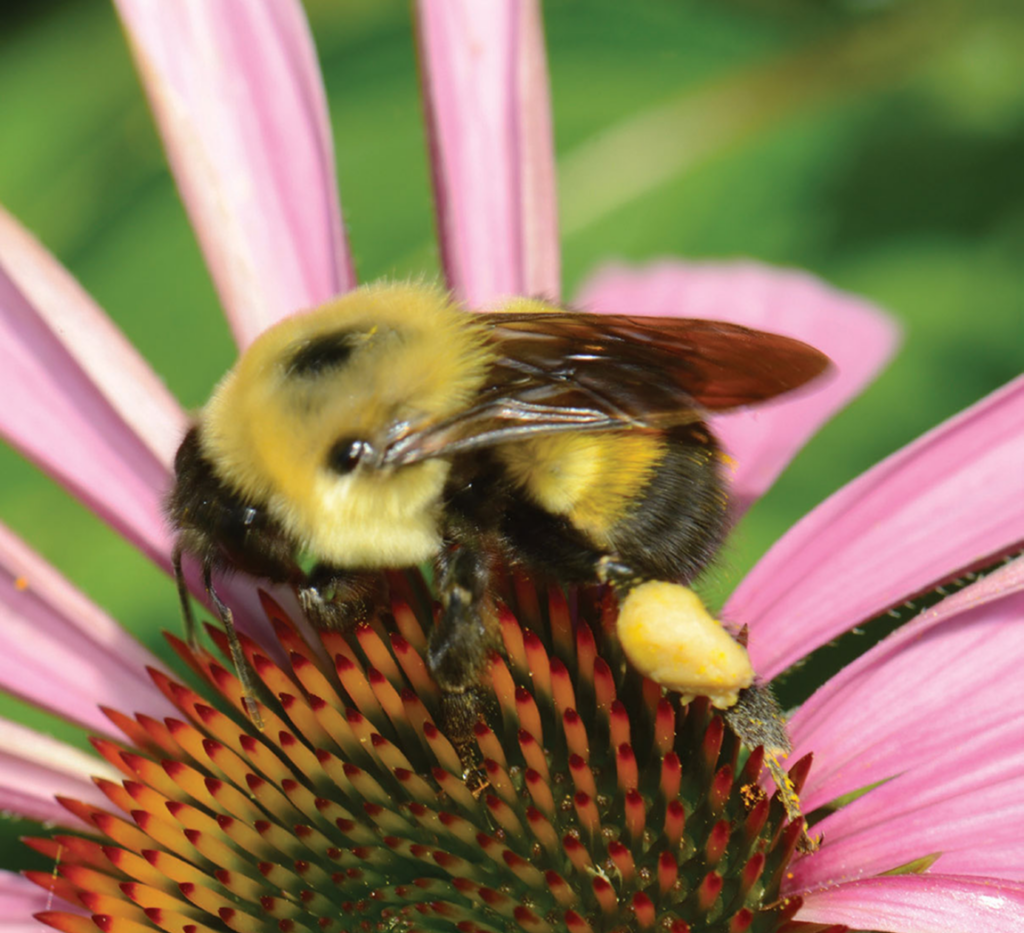
Bees, butterflies and hummingbirds play an essential role in Delaware by helping plants reproduce, feeding both wildlife and people. DelNature’s conservation programs and pollinator-friendly initiatives protect and restore critical habitat for sustaining them across the state.
Habitat Restoration
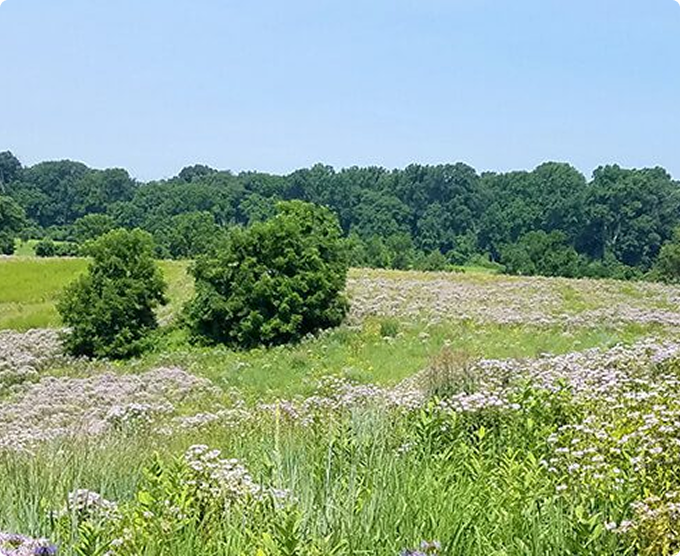
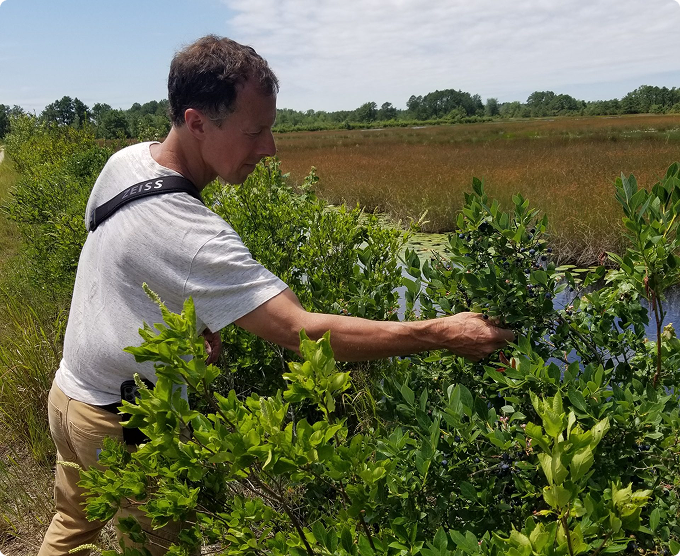
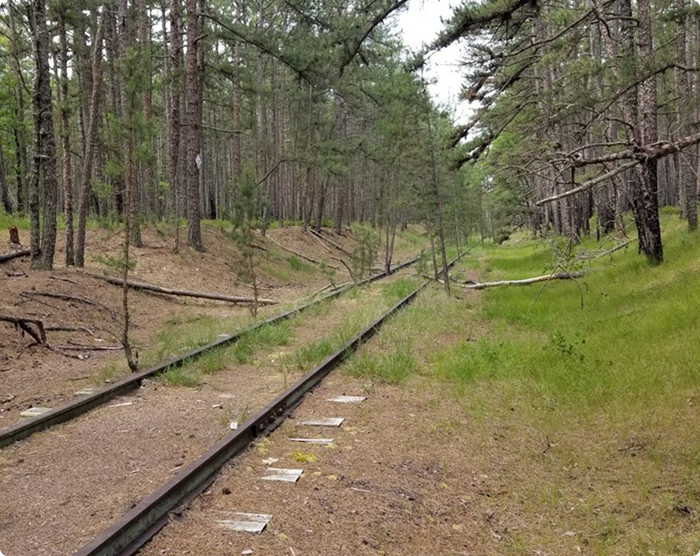
Delaware is a small but mighty state when it comes to natural habitats. Its location in a biological transition zone between northern and southern species, its combination of Coastal Plan and Piedmont geological formations, and its many waterways give it a diversity of habitat types. DelNature restores and manages forests, wetlands and meadows and works to control invasive plant species to make these habitats as healthy as possible.

Protecting Shared Waters
Watersheds
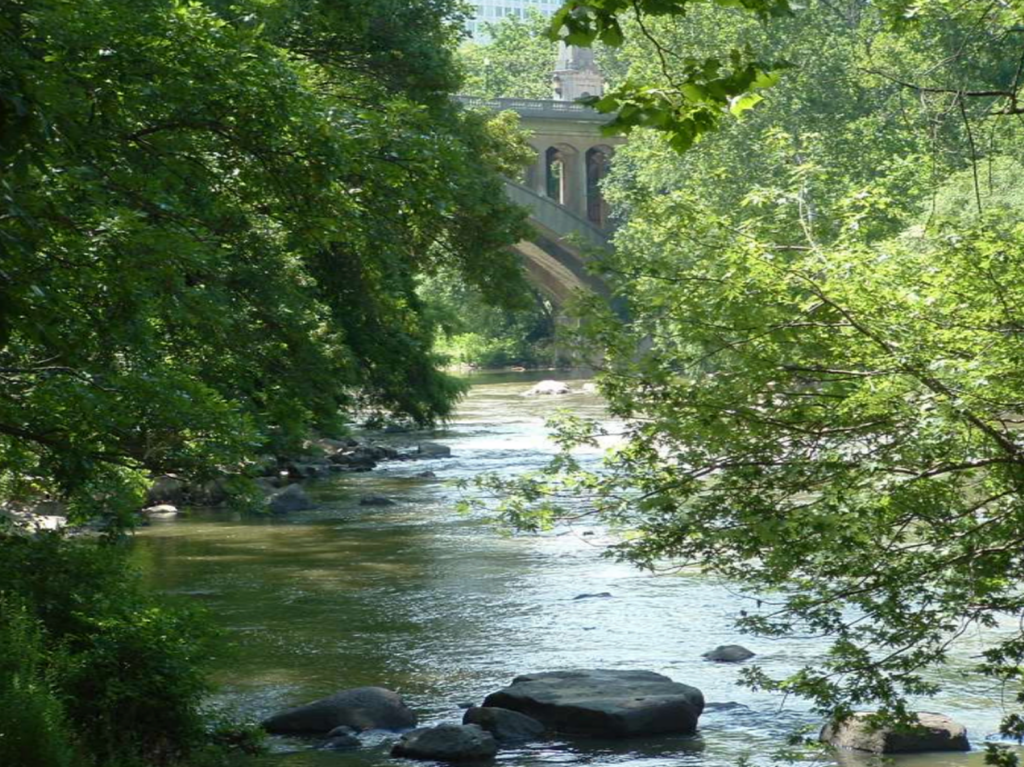
Together rivers, streams and the surrounding lands that drain into them form watersheds. Delaware comprises three major watersheds: the Delaware, Chesapeake, and Inland Bays. What we do on the land, including how we garden, build, and manage waste, affects the quality of our water.

Wetlands
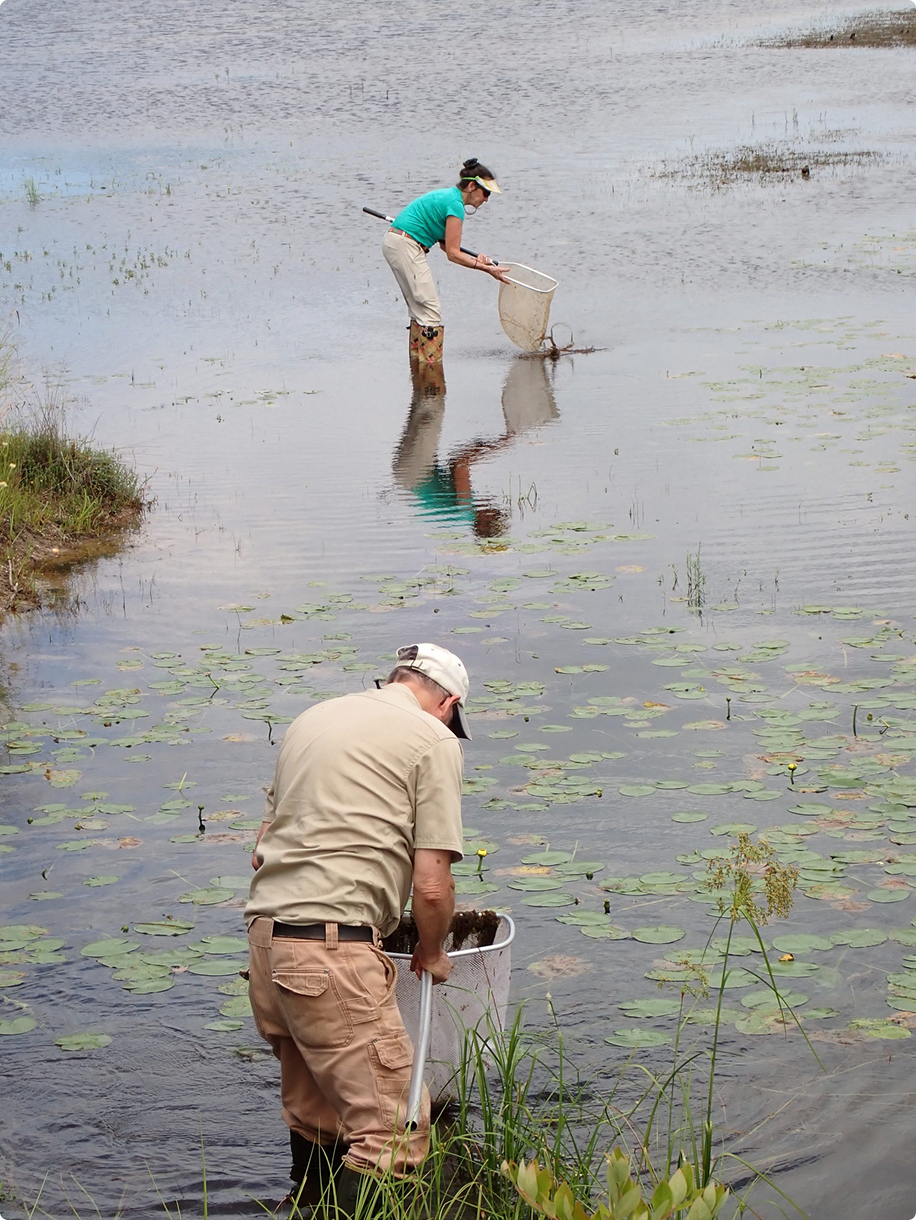
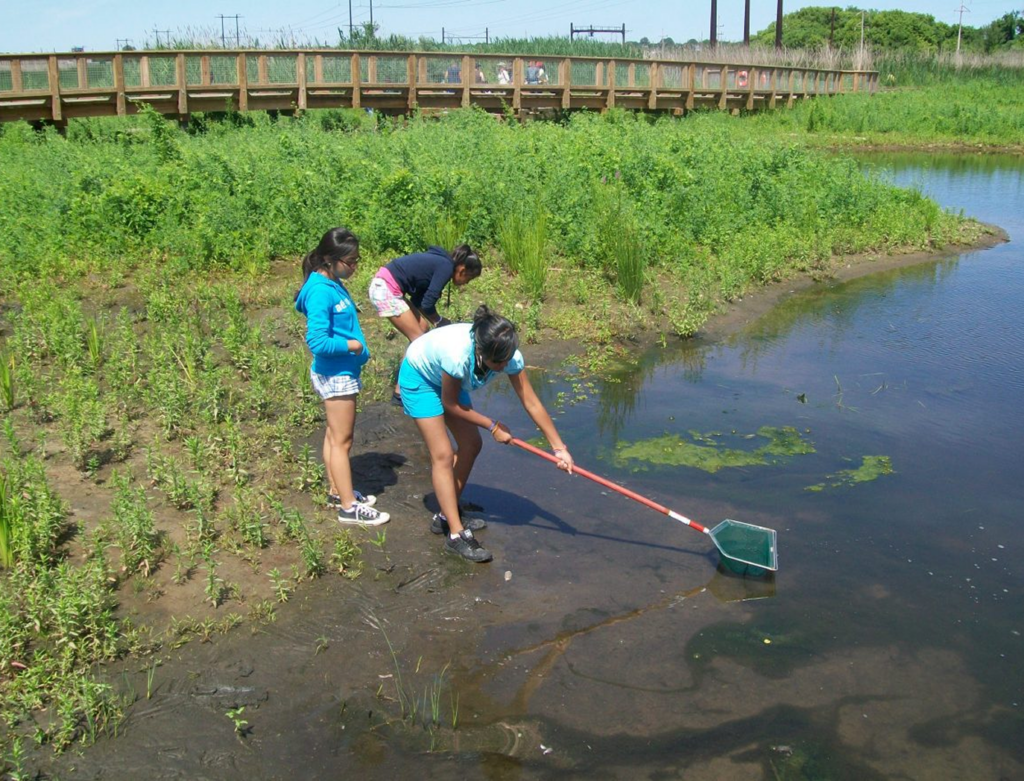
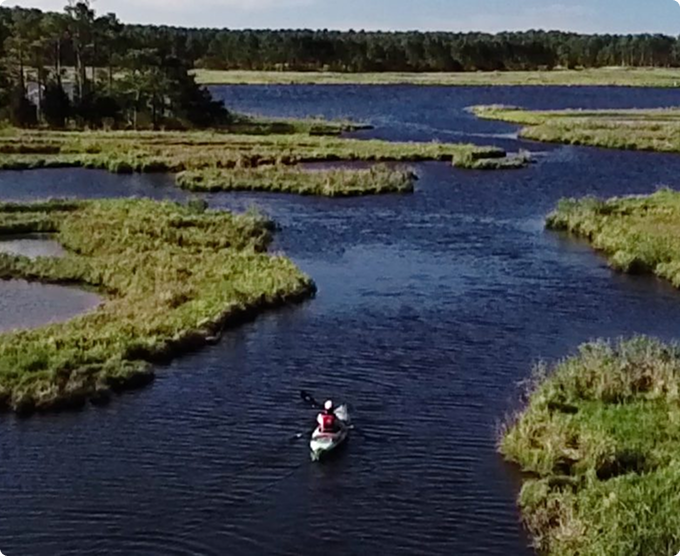
Wetlands are dynamic, life-filled ecosystems that filter pollutants from runoff, store carbon, reduce flooding, and provide habitat for countless species. They are among the most productive ecosystems on Earth, rivaling coral reefs and rainforests in biodiversity. Over time, Delaware has lost many of its weltands to development, agriculture, and sea level rise. Today, only about one-quarter remain. Covering about 15% of Delaware’s landscape, many freshwater wetlands remain unprotected and are particularly vulnerable.
Red Clay Valley Scenic Byway
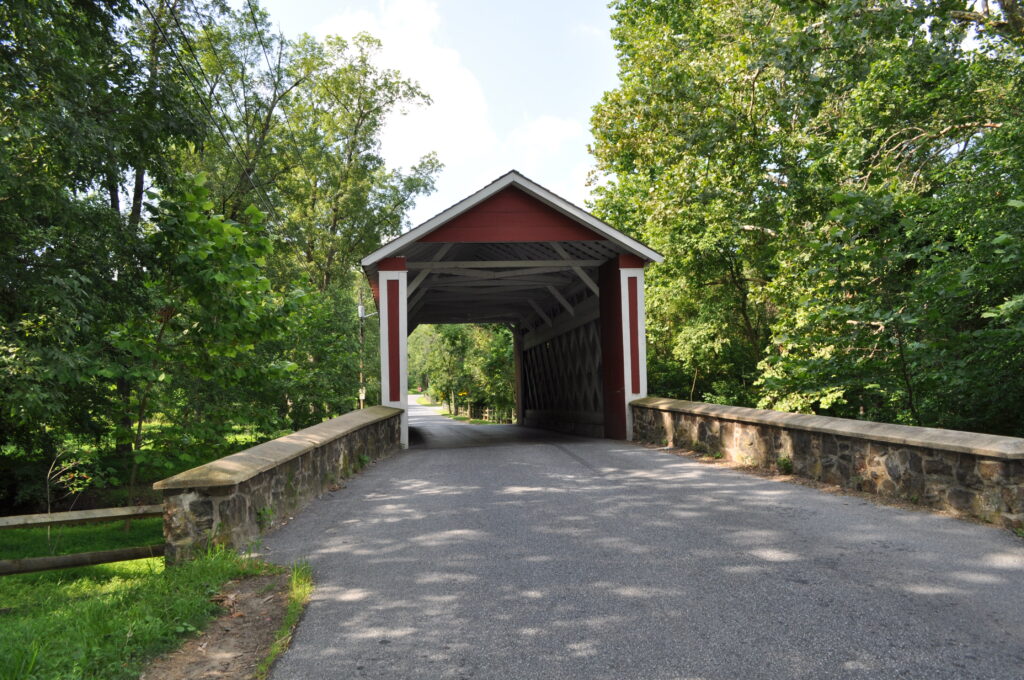
Red Clay Valley Scenic Byway is a scenic network of water, roads and history. Scenic byway designation benefits those living and working in our community and helps protect our water and natural areas while preserving the unique scenic, historical, and cultural characteristics in the byway. It’s a beautiful alternative route to avoid busy highways. It supports river cleanups and graffiti prevention and can help buildings in your neighborhood uphold an appearance that is aligned with the historic and scenic aspects of The Red Clay Valley Scenic Byway.