Stewarding Land for Biodiversity
Healthy land sustains healthy communities, wildlife, and ecosystems. Delaware Nature Society (DelNature) manages roughly 2,000 acres of preserved land across Delaware, restoring habitats through science-based conservation, regenerative practices, and education. We care for these lands so they can continue to support biodiversity, provide clean water, and nourish people and wildlife for generations to come.
Every year, we develop detailed management plans to guide our restoration work, non-native invasive species control, and habitat protection. Working with a variety of partners, we restore wetlands, riparian corridors, upland forests, and native meadows to support plants and animals, including species of conservation concern. We also maintain trails and teaching areas that connect people directly to these natural spaces, turning each visit into a learning experience.
Visit our Nature Centers & Nature Preserves page to learn more about the places where our land management work is showcased.

Regenerative Agriculture
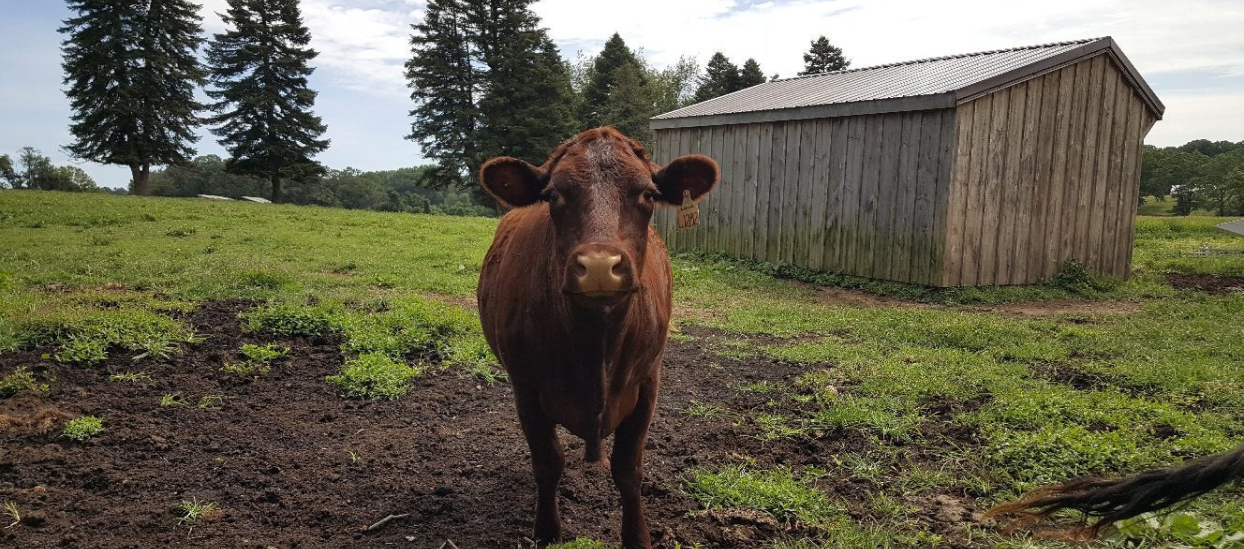
Healthy land produces healthy food for people, and all life. At DelNature, we farm with nature using regenerative agriculture practices that recognize the connection between healthy soil, healthy communities, and biodiversity. These practices go beyond sustainability to actively restore the land instead of depleting it.
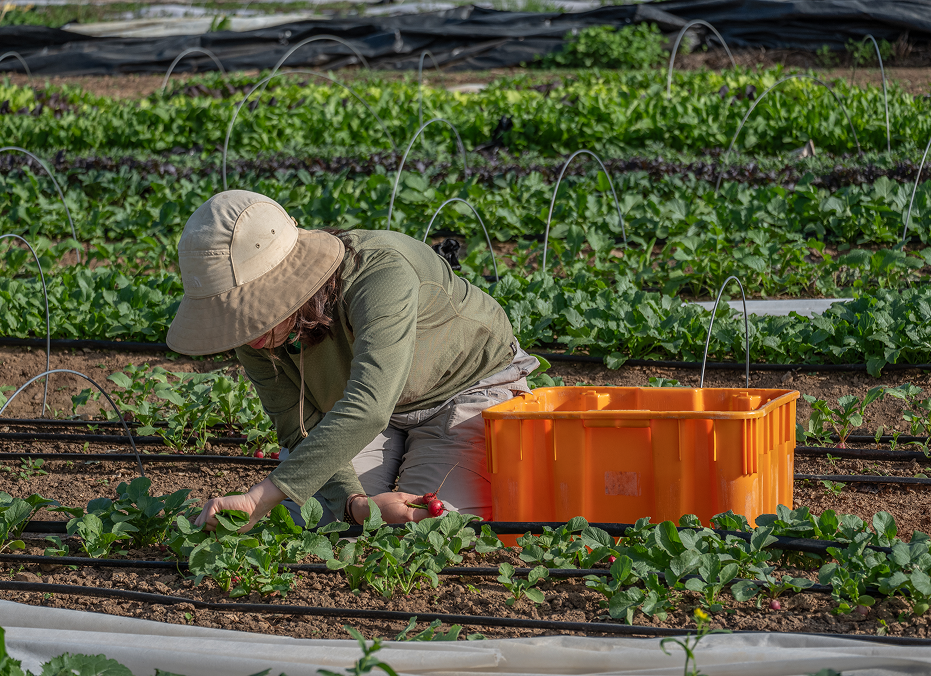
At Coverdale Farm Preserve, we are turning 380 acres into a model of regenerative land management that produces food that is healthy for people and animals. Our farming practices mimic natural processes that build healthy soil, support wildlife, and protect water quality. Mobile poultry houses regularly rotate through pastures providing safety and fresh forage for hens while spreading nutrients and vegetables are produced using organic practices with as little disturbance to the soil as possible. Nearby meadows, forests, and streamside habitats are managed for biodiversity and also contribute to soil health
Discover Regenerative Conservation
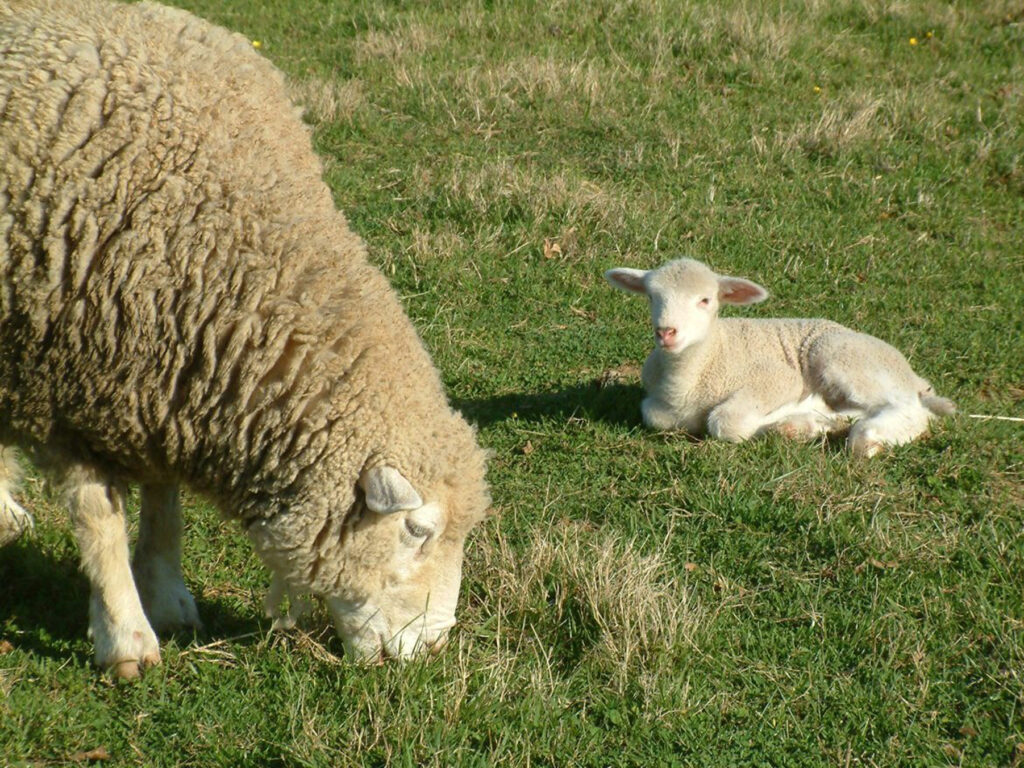
At Coverdale Farm Preserve, Delaware Nature Society is turning 377 acres into a model for land conservation and regenerative food production. Our farming practices mimic natural processes that build healthy soil, support wildlife, and protect water quality. Mobile poultry houses regularly rotate through pastures providing fresh forage while spreading nutrients. 200 acres are managed as Nature Preserve where meadows, forests, and streamside habitats are managed for biodiversity.

Managing for Biodiversity
DelNature’s land management focuses on biodiversity, clean water, and education. Each year, we develop detailed Land and Biodiversity Management Plans for every location to guide restoration work, non-native invasive species control, and habitat protection.
We restore wetlands, riparian corridors, upland forests, and native meadows to support plants and animals, including species of conservation concern. Trails and teaching areas connect people directly to these natural spaces, turning each visit into a learning experience.
Lands that showcase our management of land for biodiversity and endangered species include:
- Coverdale Farm Preserve
- Middle Run Valley Natural Area
- Isaacs Tract
- Isaacs-Greene
- Marvel Saltmarsh Preserve
- Ashland Nature Center
- Flint Woods Preserve
Managing Land for Bird Conservation
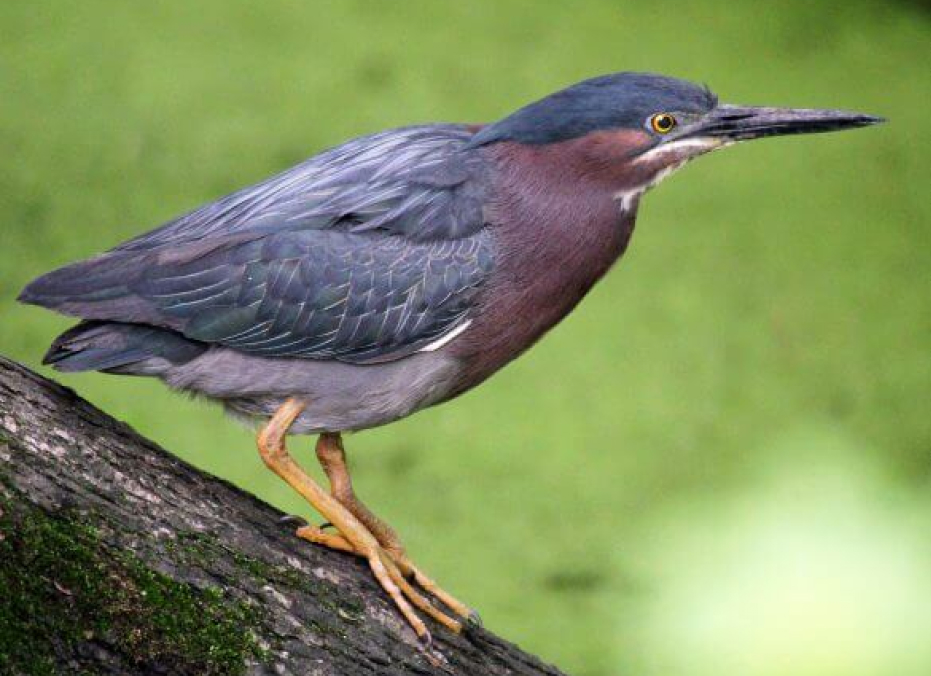
Habitat loss is one of the greatest threats to bird populations. At DelNature sites, forest restoration, meadow creation, and wetland management provide food and nesting sites for migratory and resident birds.
Our efforts help species such as Eastern Bluebirds, American Kestrels, and Yellow-breasted Chats thrive again. Ongoing monitoring and bird surveys inform future habitat management.
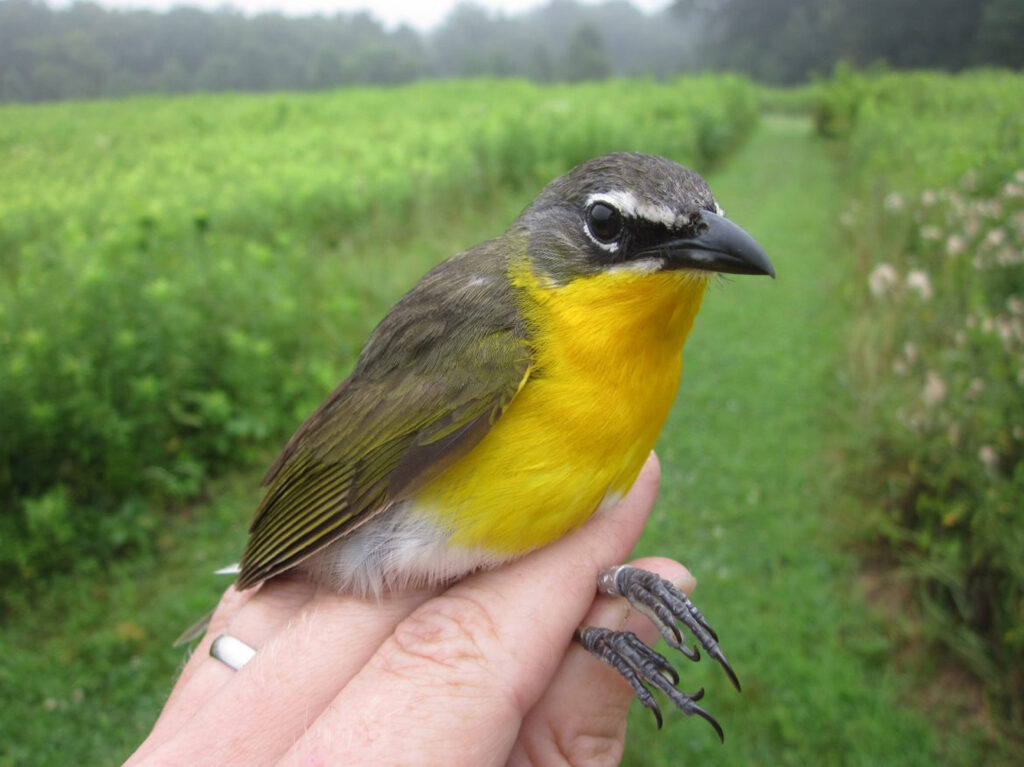
Bird Conservation Research
In addition to monitoring and sharing data from our Next Boxes, we are engaged in a number of research initiatives utilizing the data collected at our sites and expertise of DelNature’s Ornithologist.
Managing Land for Species at Risk
We prioritize protecting Delaware’s native biodiversity. Our staff conduct detailed surveys of flora, fauna, and their habitats to shape management plans. Through this science-driven approach, we conserve rare and declining species and restore the ecological balance they depend on. Examples of rare species stewarded at DelNature sites include:
- Lesser Ladie’s Tresses – Only location documented in Delaware of this rare species of orchid
- Fly-poison – Member of the Lily order and listed as an imperiled (S2) plant in Delaware, occurring at only a small number of wooded locations in the State. It is thought to be pollinated by beetles.
- Goldie’s Wood Fern – Considered rare in Delaware, a northern species on the edge of its range and occurs in a protected woodland
- Thrips – Konothrips polychaeta – New to science, this species of insect was discovered in 2015 at Ashland Nature Center. New Insect Species Discovered at Ashland Nature Center – Delaware Nature Society. It’s host plant is Broomsedge Bluestem, and the species was discovered by Adam Mitchell, a UD PhD candidate at the time.

Managing Land for Clean Water
Clean Water sustains life and our land management practices are designed to protect it. The lands we manage feature varied aquatic habitats that support unique and diverse wildlife and plants. Management practices like vegetated buffers, erosion control BMPs, and green infrastructure for controlling stormwater are ones that we promote and use ourselves to protect water quality in rivers, streams and wetlands.
Thousands of children, families and adults experience and learn about the importance of water and these aquatic habitats to our everyday life through our sites and programs. Highlights include:
- The DuPont Environmental Education Center features a boardwalk loop along the Christina River and into the tidal freshwater marsh of the Russell Peterson Urban Wildlife Refuge and is connected to both the Wilmington Riverwalk and the Jack Markell Trail that leads to the Delaware River in New Castle.
- The Abbott’s Mill Nature Center features a boardwalk along the Johnsons Branch of the Mispillion River, which connects it with Milford and the Delaware Bayshore.
- The Marvel Saltmarsh Preserve features a boardwalk overlooking hundreds of acres of salt marsh across the street from the public beach at Slaughter Beach on the Delaware Bayshore.
- Ashland Nature Center features boardwalks and trails that wind through the floodplain and along the banks of the Red Clay Creek.
- Programs and hikes at Other Preserves including Coverdale Farm Preserve feature high quality stream tributaries to the Red Clay, White Clay, and Brandywine Creeks.
Learn more about our work to protect watersheds and what you can do to help protect clean water by visiting: