Bird Conservation
Birds are an essential part of biodiversity and enjoyment of the outdoors for many people, and are also vital indicators of environmental health. They pollinate plants, disperse seeds, and help control insects, all of which keep ecosystems in balance.
What’s good for birds is good for many other species, including us. High quality forests, meadows, wetlands, and waterways provide habitat and food for a diversity of species while providing resilience to climate change and development. Bird conservation is dependent on land protection and restoration; from backyards to nature preserves how we manage our lands is key to biodiversity.
Managing Land for Bird Conservation
Delaware Nature Society (DelNature) restores and manages a variety of biodiversity, including birds (see Managing Lands for Biodiversity). We work to reduce invasive plant species while planting native trees, grasses and perennials to provide cover and food for birds and other wildlife in a variety of settings.
Meadow Restoration
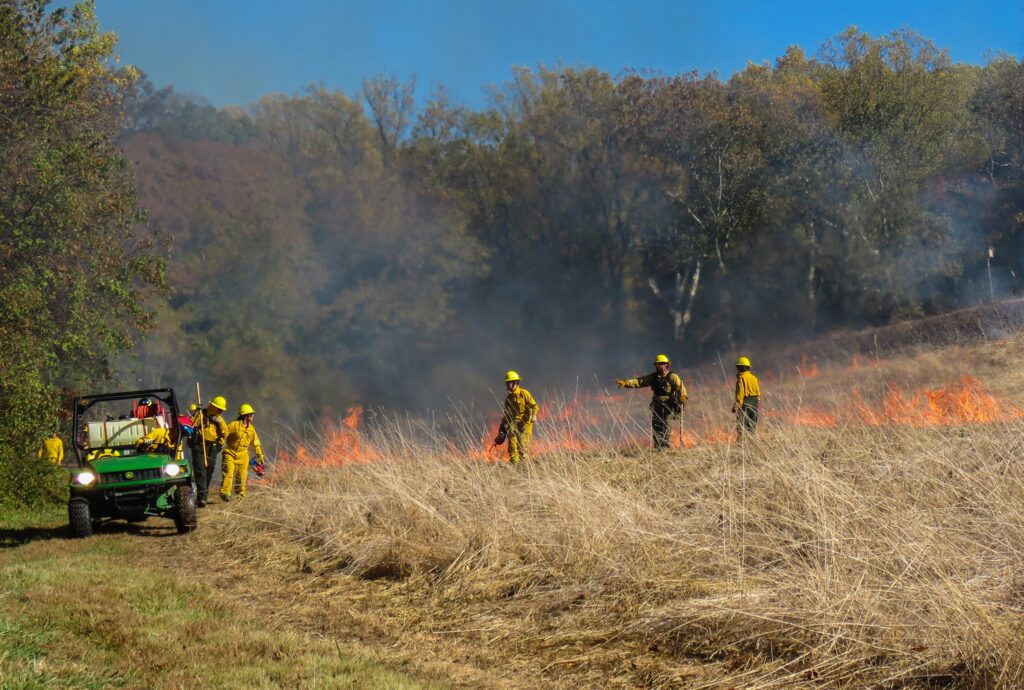
Using diverse strategies including controlled burns, we promote native grasses and wildflowers that provide year-round food and cover for songbirds and hunting grounds for birds of prey such as American Kestrels, Long-eared Owls, and Northern Harriers.
Early Successional Habitat Management
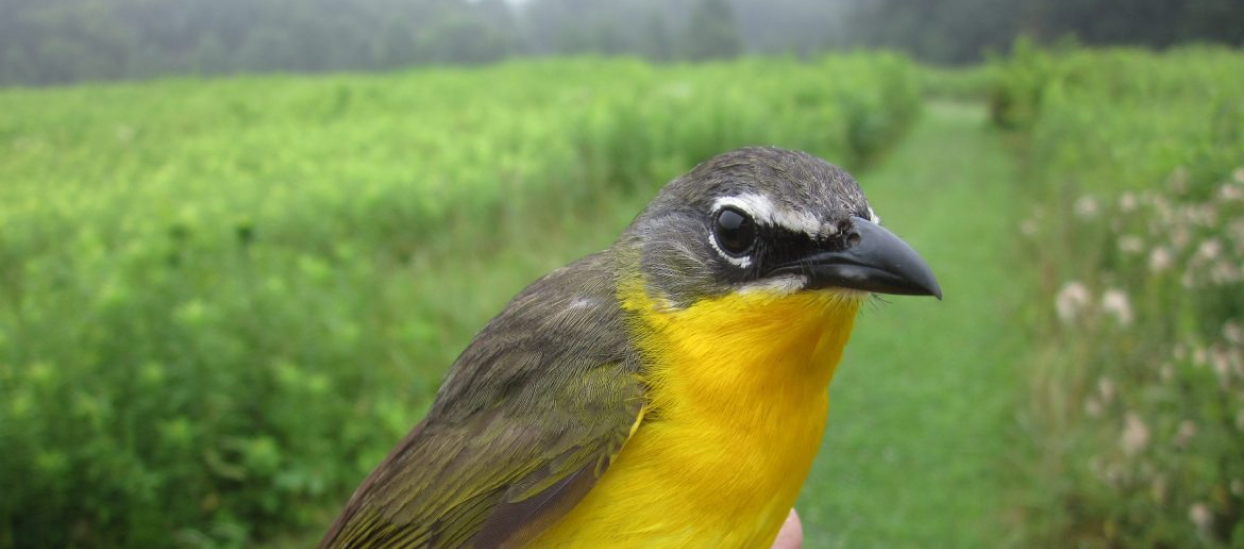
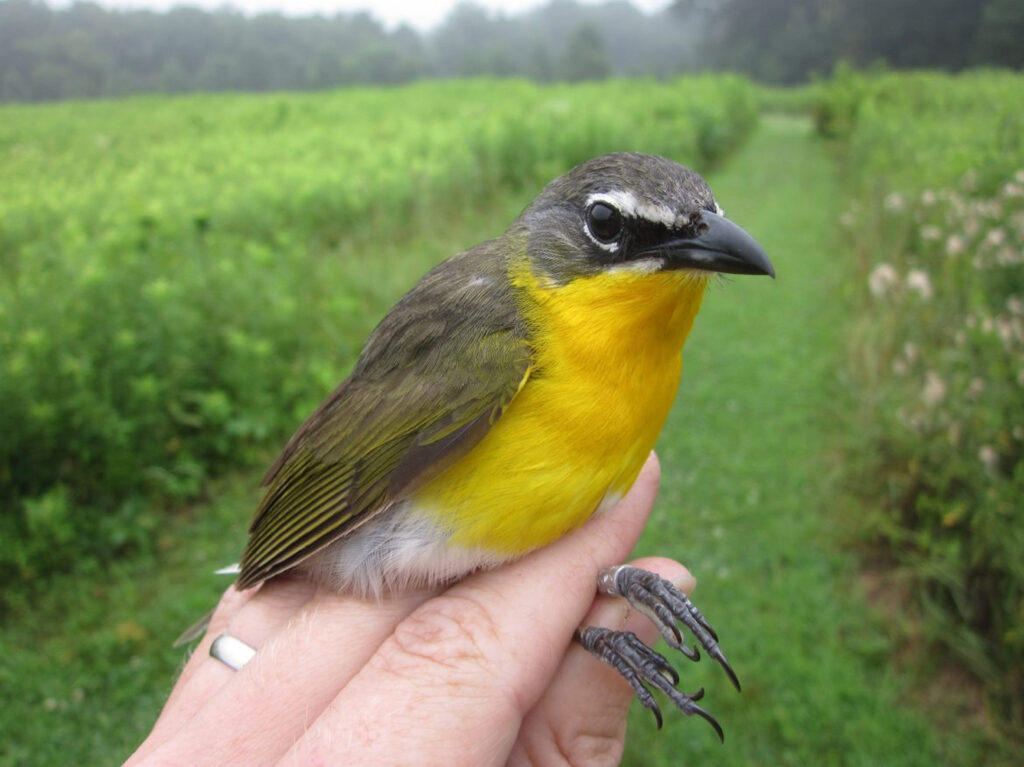
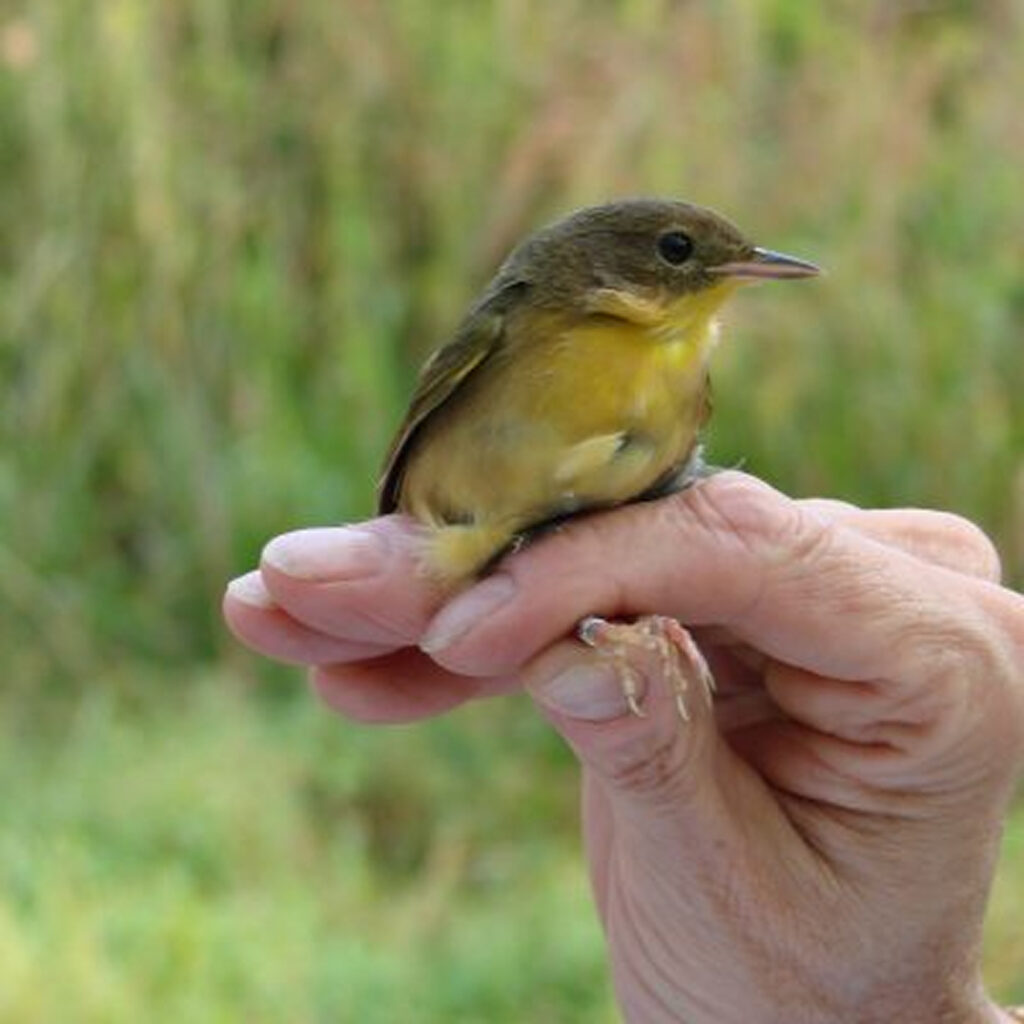
To support declining species like Blue-winged Warblers, Prairie Warblers, and Yellow-breasted Chats in early successional habitats, we use native tree plantings to fill gaps and extend riparian buffers to create feeding and nesting habitat for woodland birds like thrushes and have established conifer groves that provide essential roosting sites for rare wintering owls like the Long-eared Owl.
Bird Conservation Research
In addition to monitoring and sharing data from our Next Boxes, we are engaged in a number of research initiatives utilizing the data collected at our sites and expertise of DelNature’s Ornithologist.
Nest Boxes
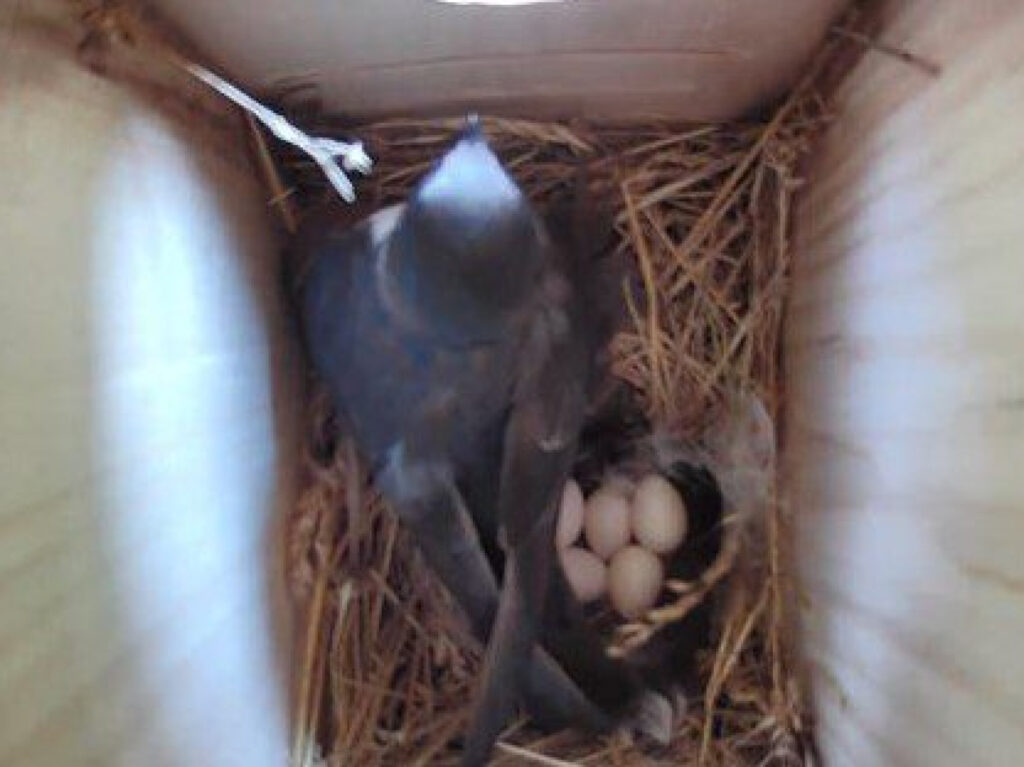
Across DelNature’s preserves, we maintain nearly 200 nest boxes that support Eastern Bluebirds, Tree Swallows, Carolina Chickadees, Wood Ducks, and American Kestrels. Each box is regularly monitored by staff and volunteers and the data is shared with the Cornell Lab of Ornithology’s Nest Watch program and the American Kestrel Partnership.
Bird Banding Research
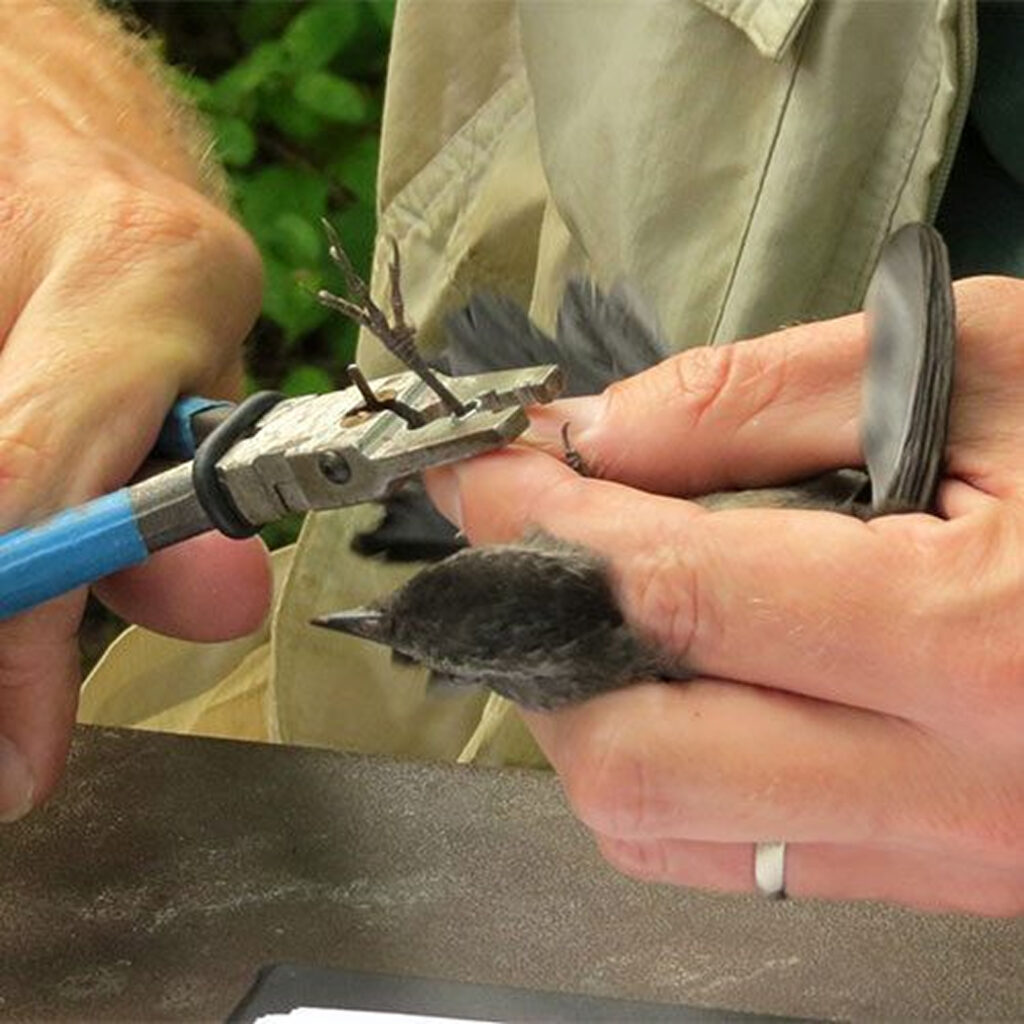
Led by our Ornithologist Ian Stewart, DelNature’s bird banding research is part of a worldwide effort to study bird migration, lifespan, and habitat use. Since 2015, we have banded over 5,500 birds from 80 species, including Marsh Wrens, Mourning Warblers, and Connecticut Warblers.
DelNature hosts bird banding sessions from April through November at Bucktoe Preserve, offering visitors a chance to see conservation science in action.
Publications resulting from this research include:
- Stewart & Sebastiani (2015). Results from a Bird Banding Pilot Study at Ashland and Bucktoe Creek.
- Stewart & Sebastiani (2017). Occurrence of Black-capped Chickadees in Delaware During Winter 2016–2017.
- Stewart & Sebastiani (2017). Occurrence of Ticks on Birds Banded in the Red Clay Valley.
- Stewart & Sebastiani (2019). Assessment of Feather Mite Prevalence on Mid-Atlantic Birds.
- Stewart, Sebastiani and White (2022). The Kinglets of Delaware. Delaware Ornithologist 51, 33-38.
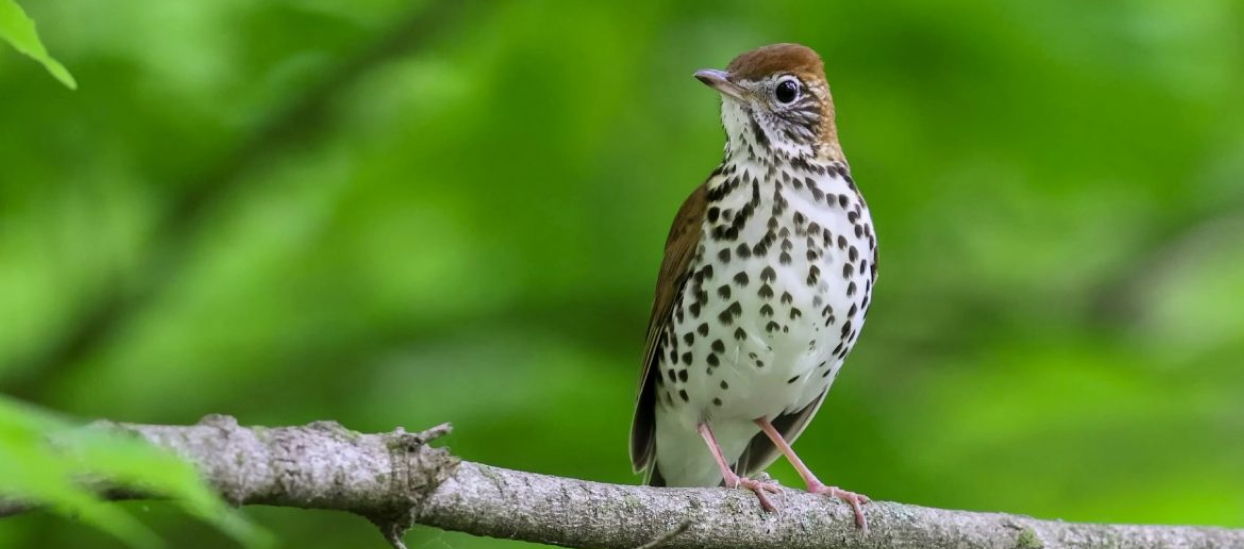
Wood Thrush Conservation Initiative
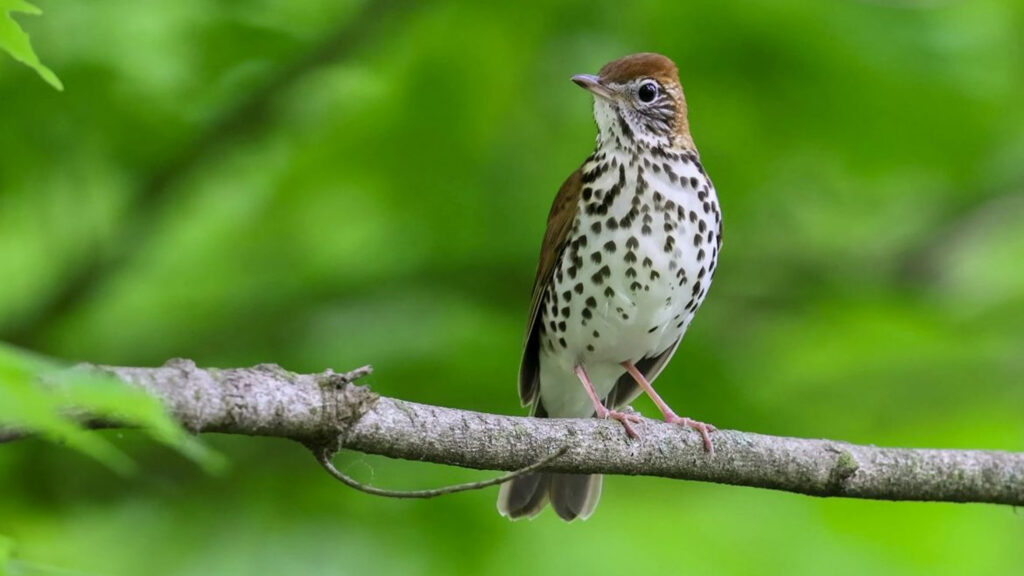
The Wood Thrush is an iconic bird of eastern deciduous forests because of its melodic, flutelike song. Unfortunately, it is listed as a Species of Conservation Concern in multiple states, including Delaware and Pennsylvania, which is partly due to habitat loss.
Our Wood Thrush Conservation Initiative seeks to understand the threats to this beautiful bird and engage people in its conservation by:
- Radio tracking adults and juveniles to monitor their local habitat use then use the Motus network to identify critical habitats used during their migration and the non-breeding season.
- Assessing how invasive non-native plants impact their feeding and nesting and restoring their habitat with native plants.
Public education and engagement to raise awareness of the decline of the Wood Thrush and other woodland birds and what people can do to make a difference.
Ashland Hawk Watch
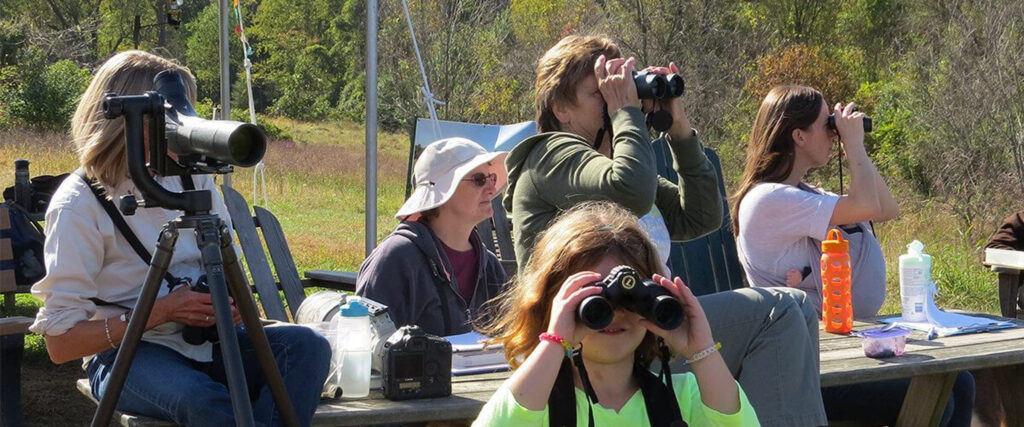
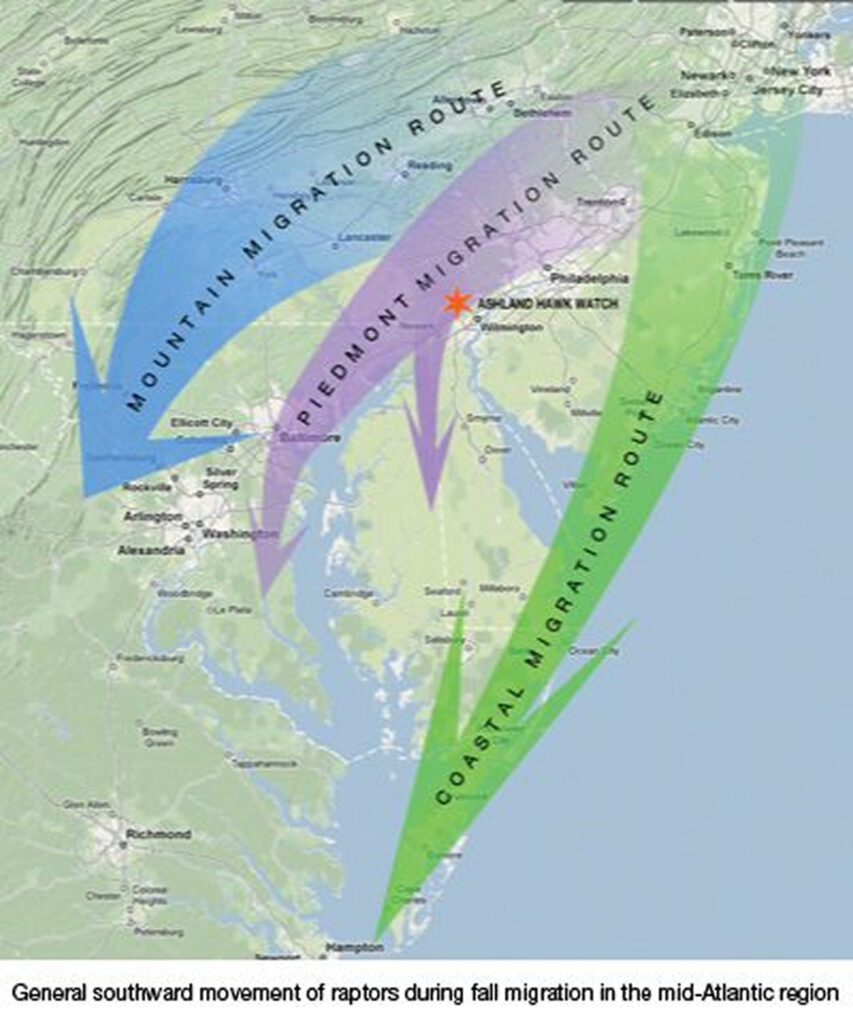
Each fall, thousands of migrating raptors sour across Delaware skies, passing directly over Ashland Hawk Watch Hill – part of the Red Clay Audubon Important Bird Area. Since 2007, a professional haw watcher and volunteers have counted more than 10,000 raptors migrating overhead each season.
The Ashland Hawk Watch is part of a larger data collection effort on migrating hawks. Data are recorded on the number of each species of hawk seen and submitted to the Hawk Migration Association of North America (HMANA) for analysis of content-wide changes in the numbers of species. For the Ashland Hawk Watch, DelNature partners with:
- The Delaware Department of Natural Resources and Environmental Control (DNREC) Division of Wildlife
- The Delaware Ornithological Society
The Ashland Hawk Watch team tracks migration activity from September through November, helping scientists study patterns and population changes. In one fall season over 20,000 migrant raptors can be observed, including such species as Broad-winged Hawks, Sharp-shinned Hawks, Bald Eagles, Red-shouldered Hawks, and Turkey Vultures. Explore the resulting migration data here:
Plan your visit for peak viewing of these remarkable species at Ashland Hawk Watch Hill.
Hawk Migration and Data Highlights
The Ashland Hawk Watch team tracks migration activity from September through November, helping scientists study patterns and population changes across North America.
- Fall 2022 Count: 20,882 migrant raptors observed (average: 12,621)
- Species Monitored: 15 species, including Broad-winged Hawks, Bald Eagles, and Sharp-shinned Hawks.
Sample 2022 Totals:
Broad-winged Hawk — 10,896 (avg. 5,235)
Sharp-shinned Hawk — 1,526 (avg. 1,583)
Bald Eagle — 711 (avg. 417)
Red-shouldered Hawk — 686 (avg. 441)
Turkey Vulture — 4,463 (avg. 2,056)
(Additional data available on linked resources below.)
Explore Migration Data:
Raptor Season Migration Times
Plan your visit for peak viewing of these remarkable species at Ashland Hawk Watch Hill.
-
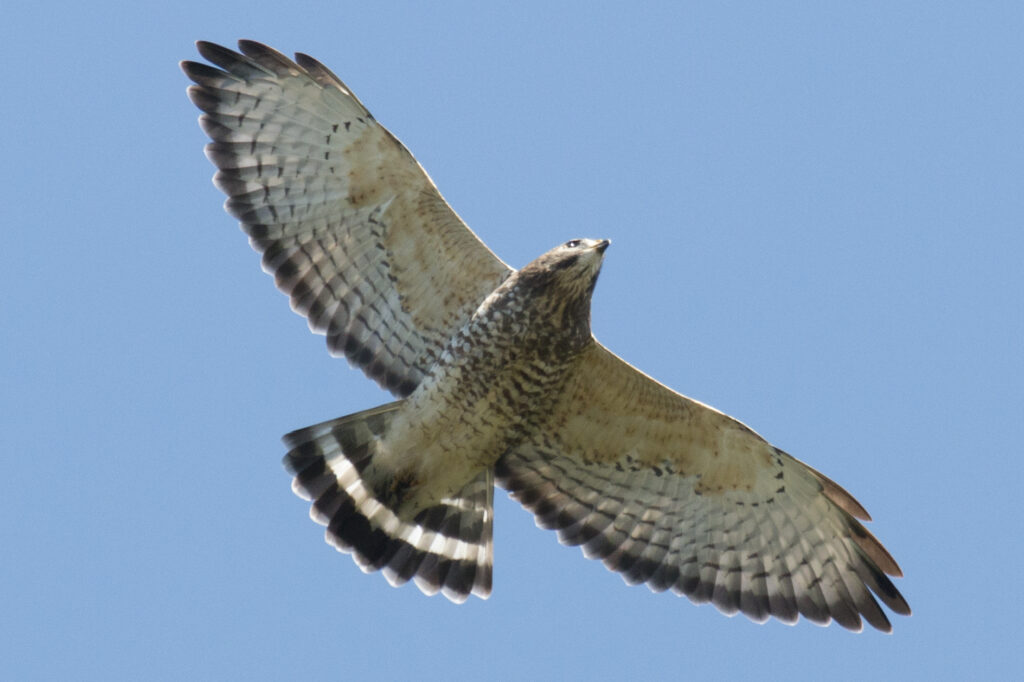
Species: Broad-winged Hawk
Peak Migration Period: Mid-September (large numbers) -
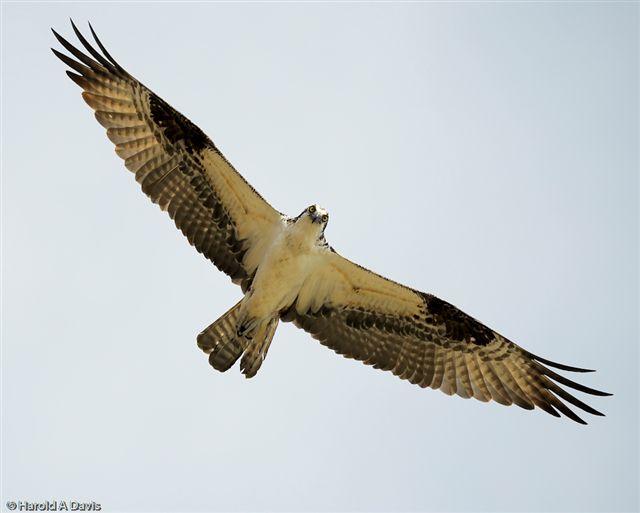
Species: Osprey
Peak Migration Period: September and October (peaks late September or early October) -
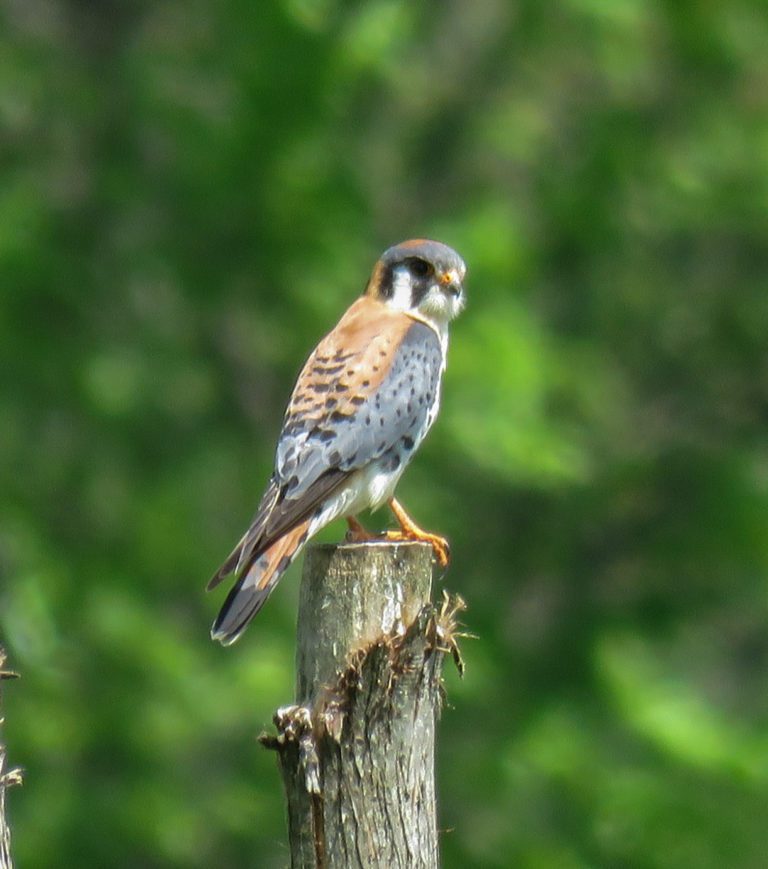
Species: American Kestrel
Peak Migration Period: September and October (peaks late September) -
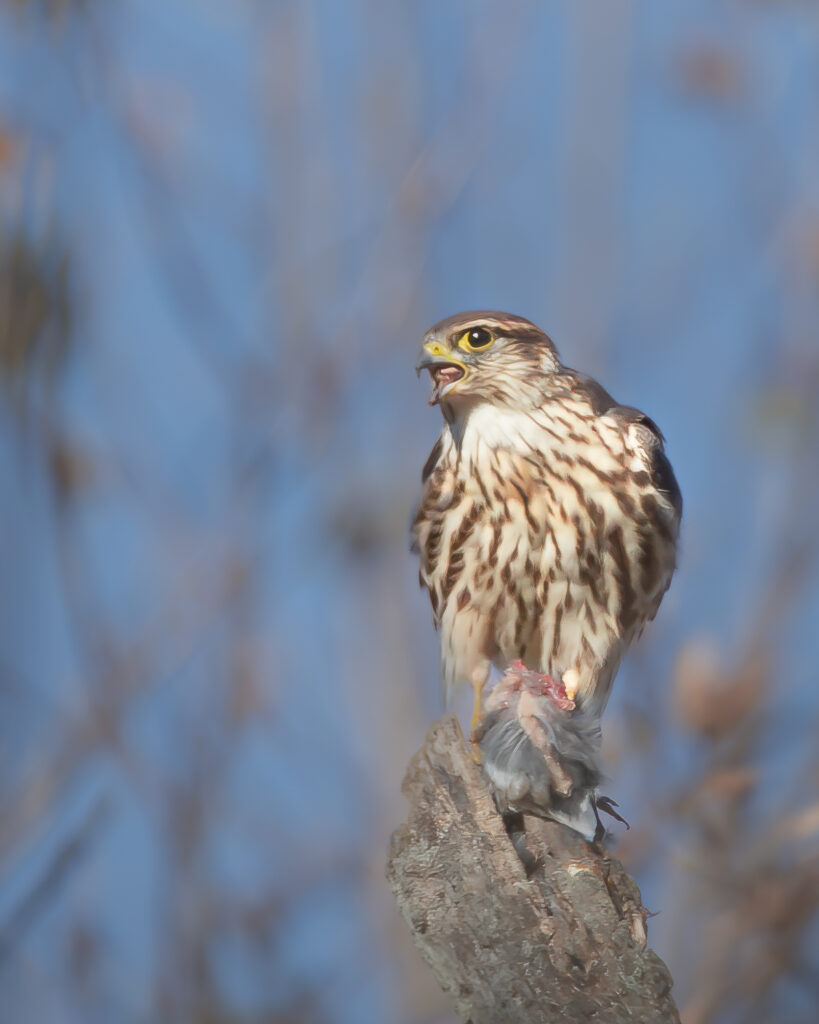
Species: Merlin
Peak Migration Period: September and October -

Species: Peregrine Falcon
Peak Migration Period: September and October (peaks early October) -
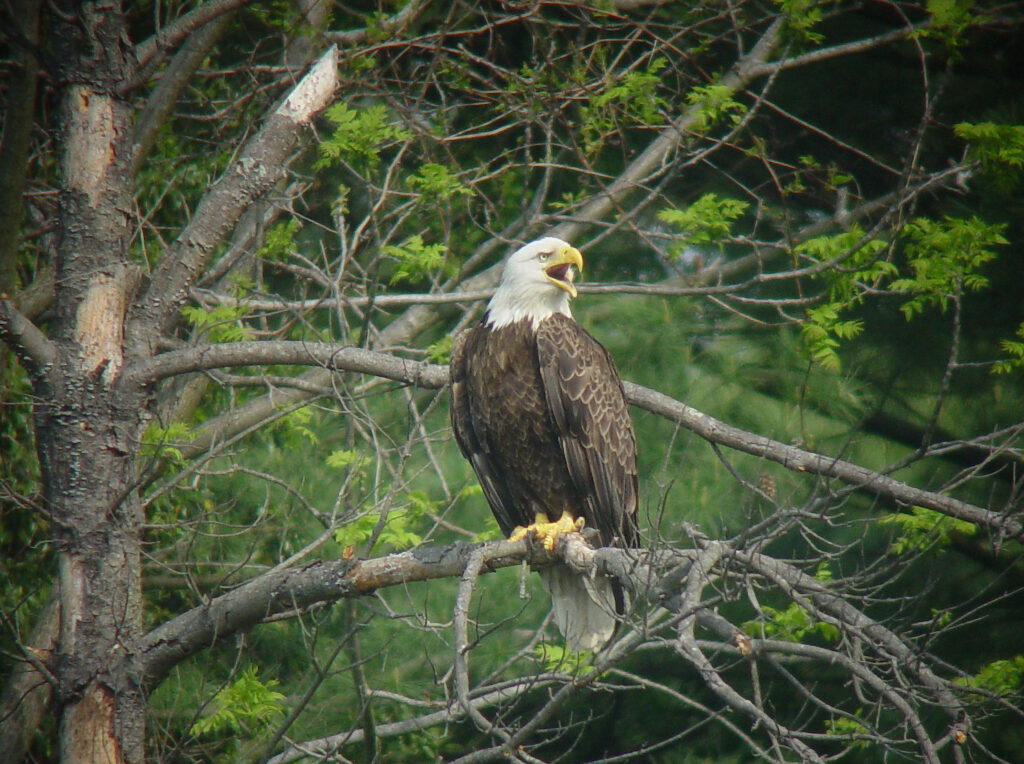
Species: Bald Eagle
Peak Migration Period: Consistent September through mid-November (no noticeable peak) -
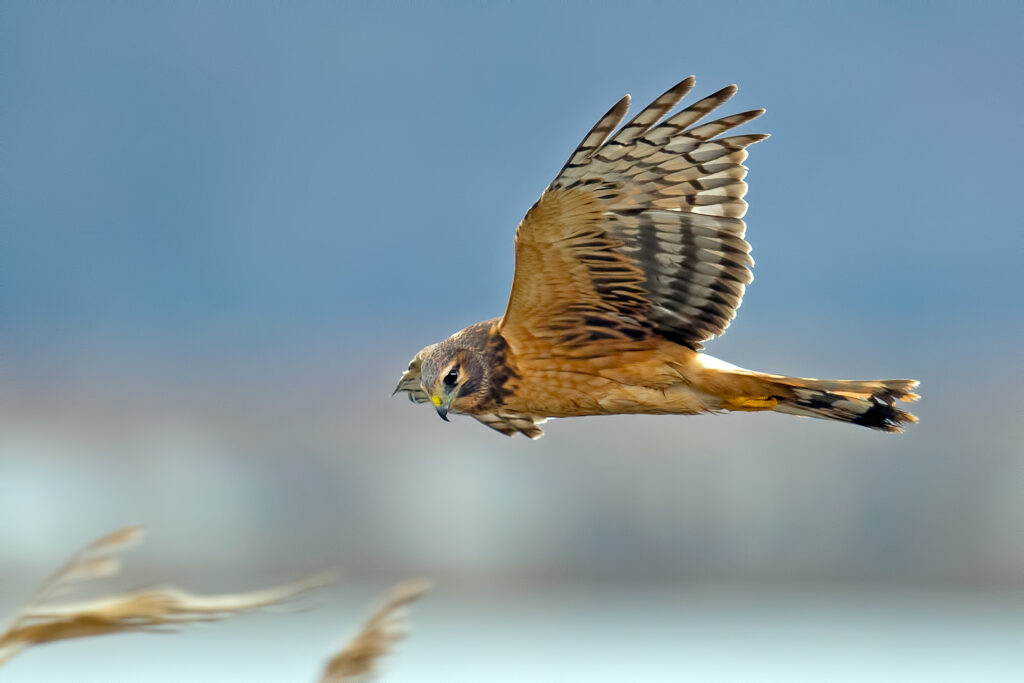
Species: Northern Harrier
Peak Migration Period: Consistent September through November (slight peak in October) -
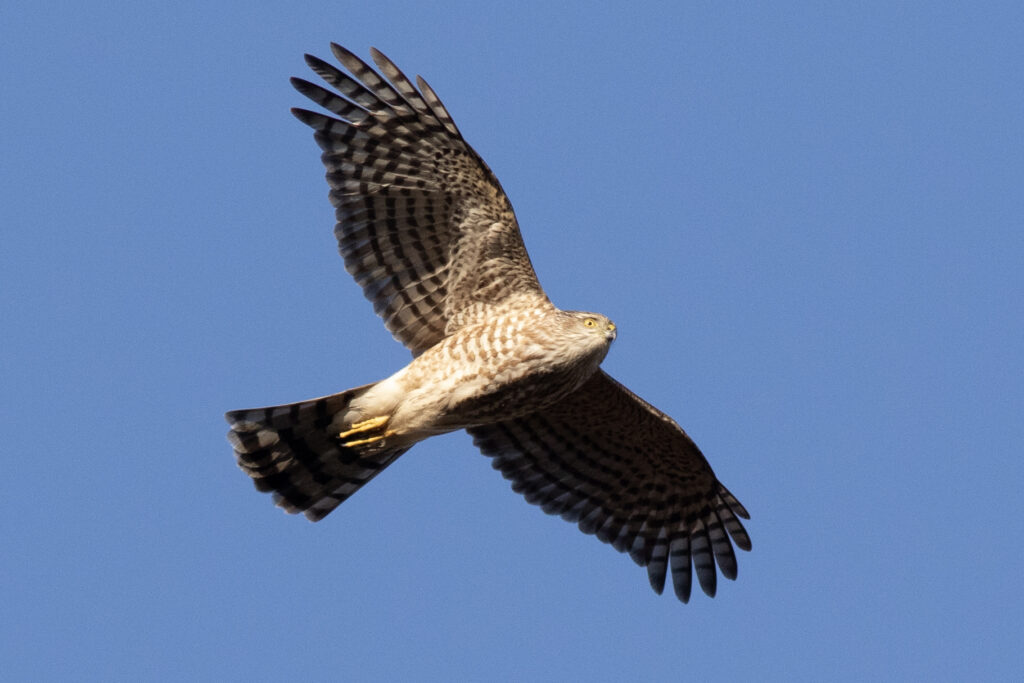
Species: Sharp-shinned Hawk
Peak Migration Period: September through November (peaks in mid-to-late October) -
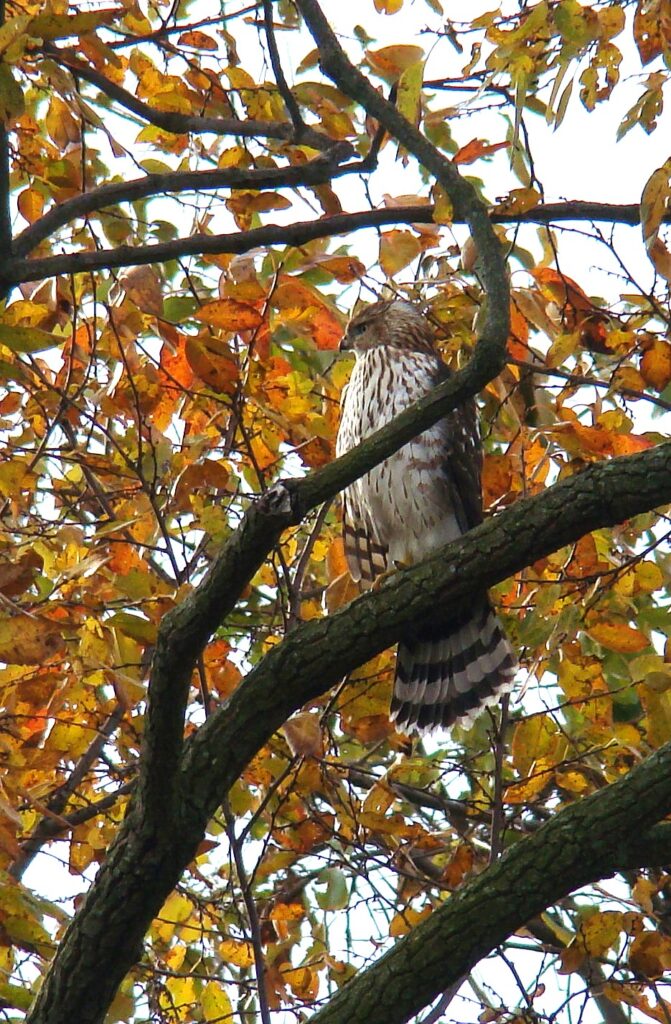
Species: Cooper’s Hawk
Peak Migration Period: September through early November (peaks mid-October) -
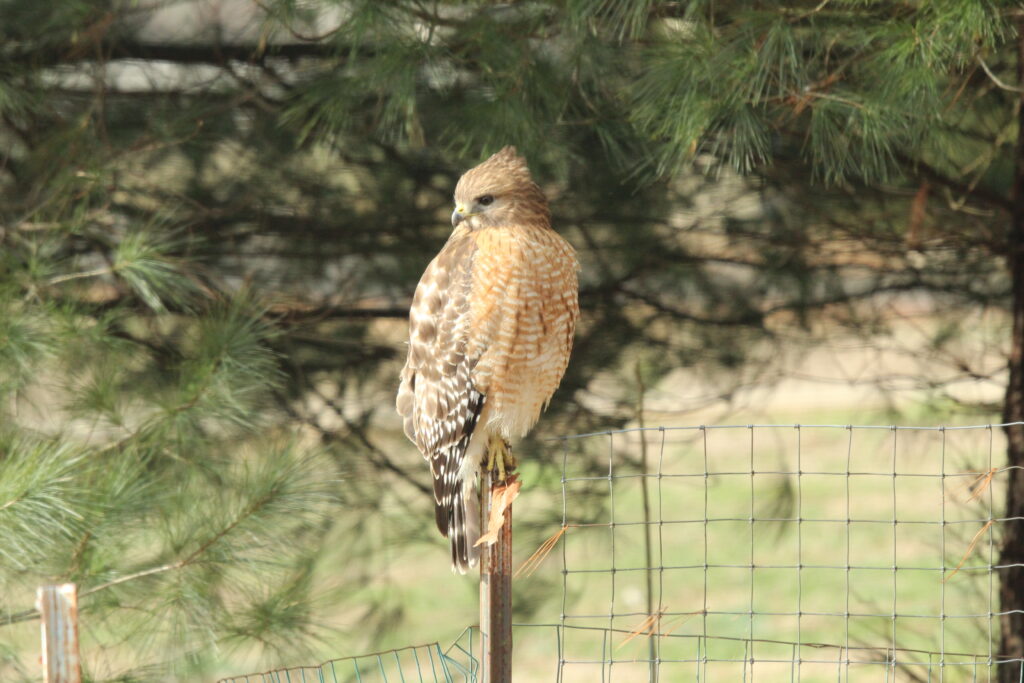
Species: Red-shouldered Hawk
Peak Migration Period: October and November (peaks in November) -
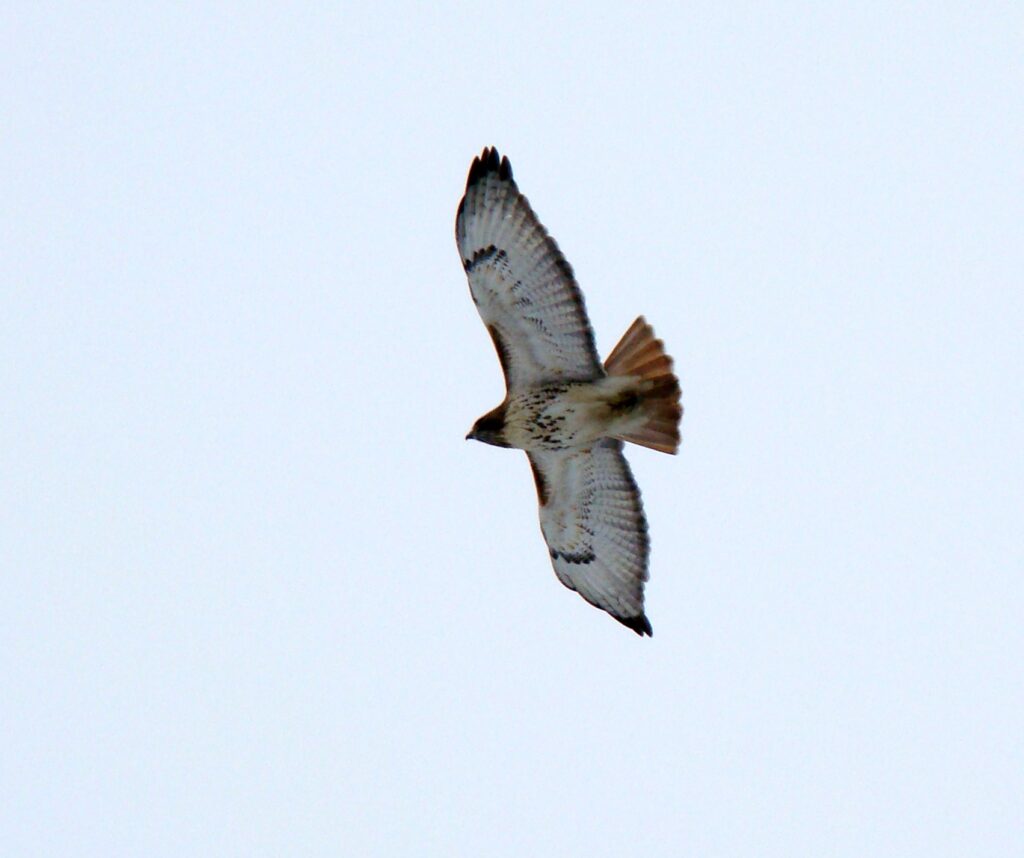
Species: Red-tailed Hawk
Peak Migration Period: October and November (peaks in November) -
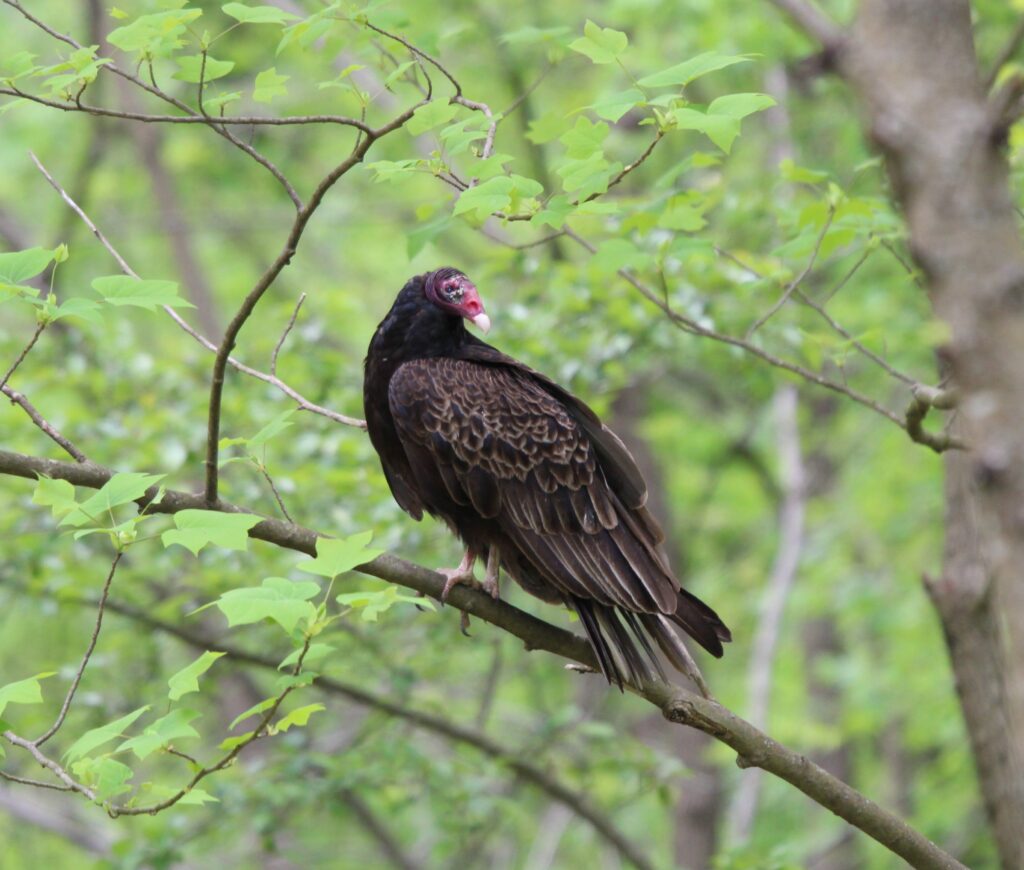
Species: Black & Turkey Vultures
Peak Migration Period: October and November -

Species: Golden Eagle
Peak Migration Period: Late October through early November (small numbers)
Research on Invasive Plants
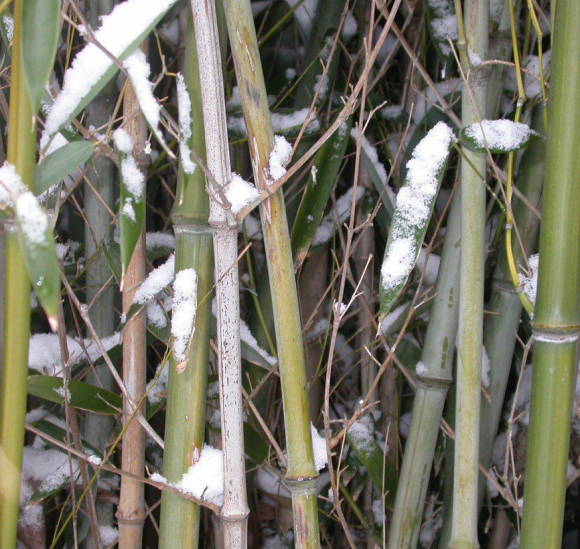
Invasive species such as Multiflora Rose threaten bird populations by crowding out native vegetation used by certain nesting birds and reducing insect populations used by birds to fee their nestlings. At Bucktoe Creek Preserve, DelNature scientists are studying how removing non-native invasive plants impacts bird nesting success and species diversity.
This ongoing research is showing us how restoring native plants directly benefits bird communities and was published in Delaware Ornithologists in 2021.
Birding Hotspots
Experience Delaware’s birdlife firsthand at our nature centers and preserves. Each location offers unique opportunities to observe, learn, and contribute to conservation.
Ashland Nature Center (Hockessin)
Home to the Ashland Hawk Watch and extensive meadow and woodland trails for songbird observation, including a bird blind perfect for photographers and families.

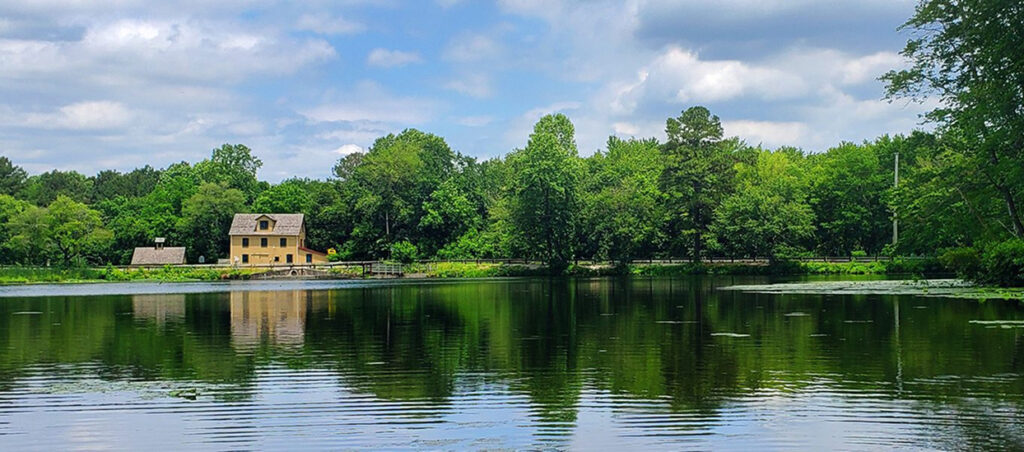
Abbott’s Mill Nature Center (Milford)
Features forested wetlands, meadows, and forested trails ideal for spotting migratory and resident species like Prothonotary Warblers and Red-shouldered Hawks. It also hosts a Motus bird-tracking station (link to station for latest detections).
Coverdale Farm Preserve (Greenville)
Combines working farmland with a nature preserve featuring meadows and forests that attract grassland birds, pollinators, and raptors.

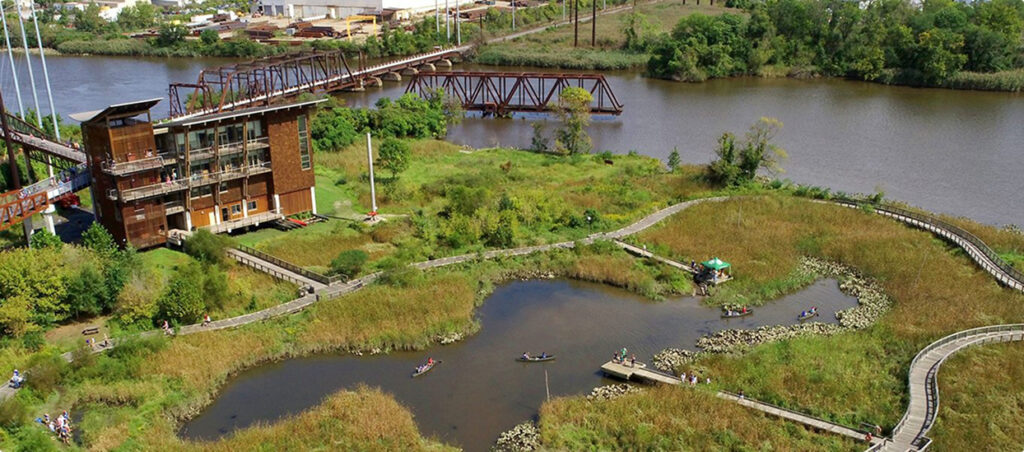
DuPont Environmental Education Center (Wilmington)
Located on the Riverfront, this site offers great viewing for waterfowl, herons, and urban wildlife. It also hosts a Motus bird-tracking station (link to station for latest detections).
Middle Run Natural Area (Newark)
A trail specifically constructed to accommodate birding has become a favorite destination among the birding community. Over 190 species of birds have been observed at the park.
Take the Next Step
Join us in protecting the birds that make Delaware’s natural spaces come alive. Volunteer, attend an event, or support our ongoing conservation work.