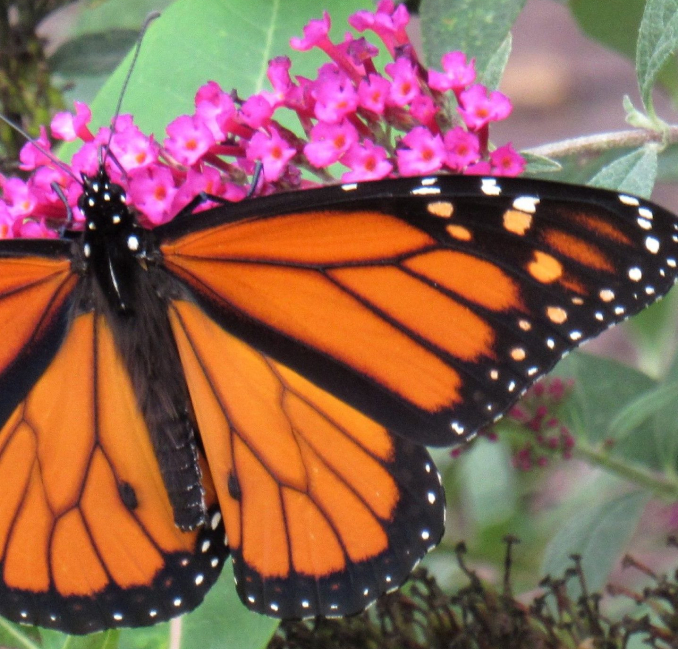
Protecting Pollinators
Bees, butterflies, and hummingbirds are essential to life in Delaware. These pollinators help plants reproduce, feeding both wildlife and people. Delaware Nature Society (DelNature) protects and restores habitats that sustain pollinators across the state.
A Focus on Monarch Butterflies
The monarch butterfly has long been a symbol of nature’s resilience. These seemingly delicate creatures use air currents and thermals to travel long distances. Some fly as far as 3,000 miles as part of a remarkable two-way, multi-generational migration between places like Delaware and the Sierra Madre Mountains of Mexico. Yet, in recent years, monarch numbers have dropped dramatically across North America due to habitat loss and climate change.

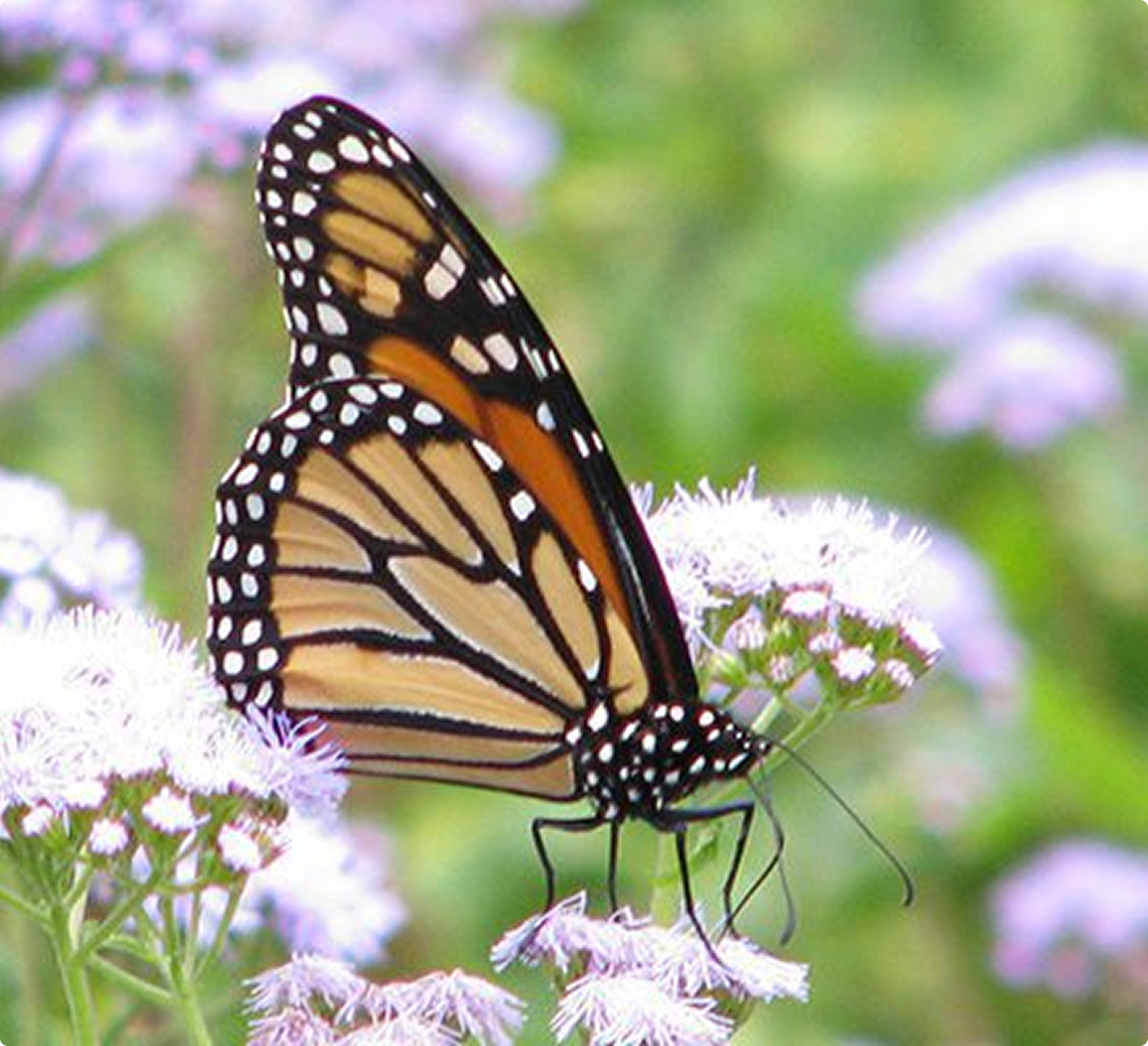

Pollinator Habitat
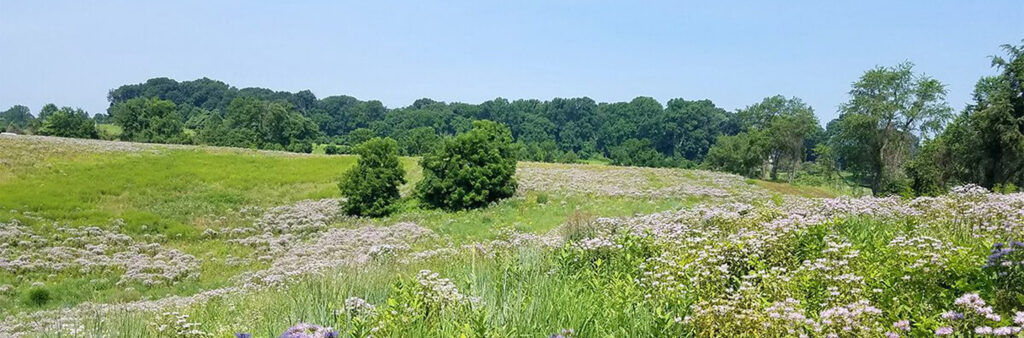
Pollinators like the Monarch rely on open meadows filled with milkweed and other native wildflowers for food and shelter. DelNature uses careful land management such as timed mowing, controlled burning, and native seeding to promote biodiversity and healthy habitats for Monarchs and other pollinators at:
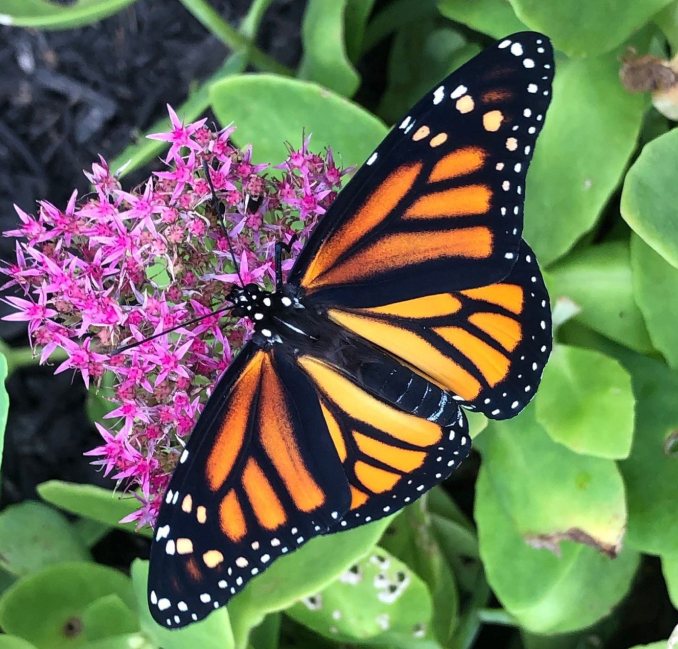
Learn More About Monarchs
The Monarch butterfly (Danaus plexippus), iconic for its orange-and-black wings, is now listed as endangered due to habitat loss and pesticide use. Monarch caterpillars rely exclusively on milkweed, making it critical to plant native varieties like swamp, common, and butterfly milkweed.
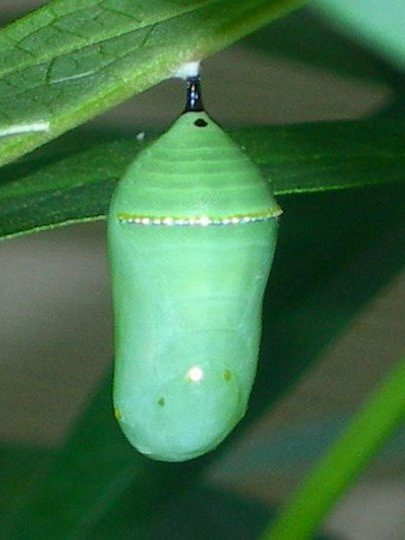
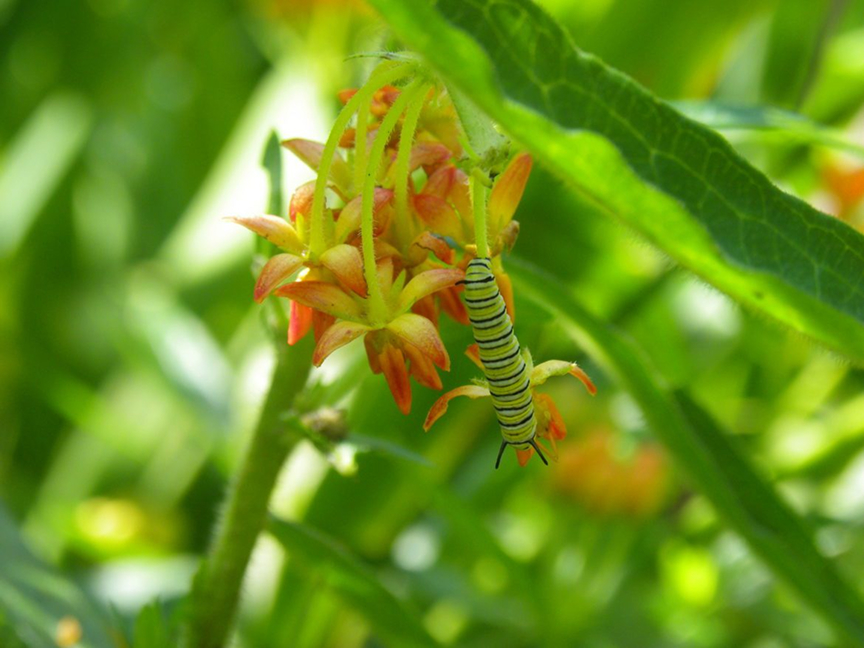
Fun Facts About Butterflies
- Butterflies are found everywhere except Antarctica.
- They have taste buds on their feet to identify host plants.
- Monarchs migrate thousands of miles from Canada to Mexico.
- Caterpillar droppings are called frass!
Building Food and Pollinator Gardens in Wilmington
Through the Urban Pollinator Corridor and Food Resilience Project, DelNature is working with communities and partners in Wilmington to create vibrant gardens and green spaces layered with native plants to create habitat for pollinators and people. These green spaces help reduce flooding, cool urban heat, provide fresh food, and support pollinators in city neighborhoods while strengthening ecosystems and connecting environmental health with community well-being.
This initiative has been supported by the National Fish and Wildlife Foundation’s Delaware River Watershed Conservation Fund, among other funding sources. Gardens now bloom at sites including:
Working Together for a Pollinator-Friendly Delaware
Healthy pollinator populations mean healthy people and healthy ecosystems. You can join this effort by: